Randy Rhoads Amp Settings: Crazy Train and Mr. Crowley
Randy Rhoads amp settings for Crazy Train and Mr. Crowley, with Marshall gain, MXR Distortion+, graphic EQ and modern starting points.
By the ToneTwin Research Team · Evidence and uncertainty reviewed
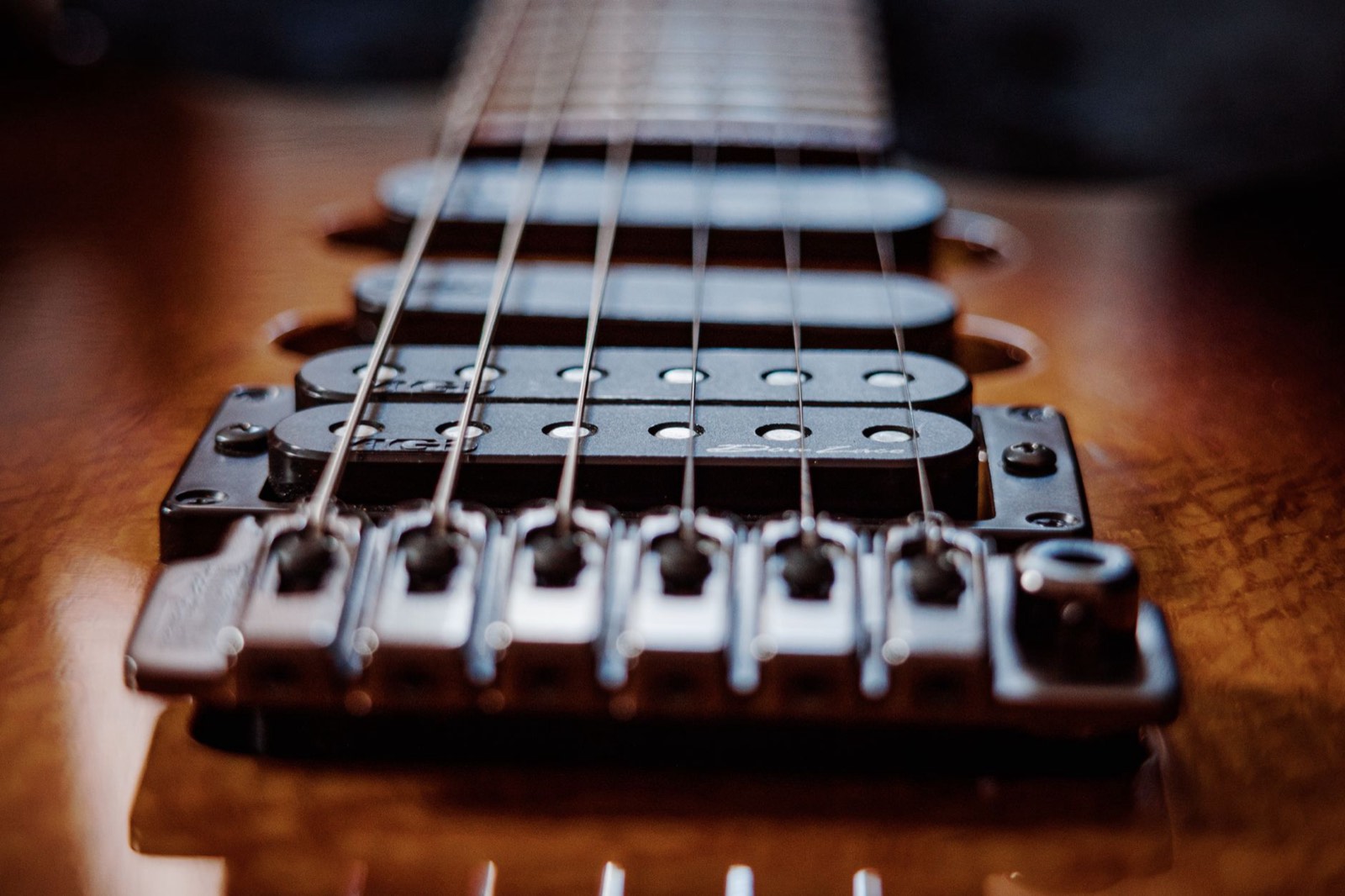
For Randy Rhoads' Blizzard of Ozz tone, use a bridge humbucker into a bright Marshall-style amplifier with moderate gain, controlled bass and strong mids. Add an MXR Distortion+-style pedal and graphic EQ for attack and focus. Keep Crazy Train rhythm dry; give the Mr. Crowley lead more sustain and ambience.
Randy Rhoads amp settings: a practical start
| Control | Starting point | Target |
|---|---|---|
| Gain | 5.5 to 6.5 | Crunch under a pedal, not modern saturation |
| Bass | 2.5 to 4 | A lean, fast low end |
| Mids | 6 to 7.5 | The focused Randy Rhoads voice |
| Treble | 6.5 to 7.5 | Bright pick attack |
| Presence | 4.5 to 6 | Clarity without brittle fizz |
| Reverb | 0 to 2 rhythm; 2 to 3 lead | Separation first, depth second |
These are playable settings for a current amp. Guitar World's reconstruction also gives a period-style Marshall panel, but no photograph or session sheet proves exact studio knob positions. Treat all numeric panels as informed starts.
What the recording accounts support
Producer and engineer Max Norman describes Rhoads recording through a 100-watt Marshall head and cabinets. Period interviews also have Rhoads naming the MXR Distortion+ and equalizer. The evidence supports a bright Marshall platform shaped and pushed before the input.
The white Marshall stack seen in later photographs creates a common timeline error. Recent research into the Blizzard sessions indicates that this familiar live amplifier had not yet become the recording reference. Use the correct gear family without turning a later stage photograph into session proof.
Set the Distortion+ and EQ
| Device | Starting direction | Stop when |
|---|---|---|
| Distortion+ output | Above unity to push the amp | The attack is firm and sustained |
| Distortion+ gain | Low to moderate | Chords begin to lose separation |
| Graphic EQ low bands | Flat or slightly reduced | Palm mutes stay lean |
| Graphic EQ middle bands | Broad, moderate lift | The guitar sounds vocal, not nasal |
| Graphic EQ high bands | Small lift if required | Pick attack is clear without hiss |
Do not create one narrow spike at 500 Hz and cut every other band. The record has a strong mid focus, but the chords still contain width. Make a broad curve and compare it at playing volume.
Crazy Train: rhythm clarity first
Crazy Train needs a bright, firm bridge-pickup sound. Set the main riff before the solo. Lower the gain until the open strings and fretted notes stay separate, then add only enough pedal level to restore sustain.
- Select the bridge humbucker and use standard E reference tuning.
- Set the Marshall-style crunch with low bass and strong mids.
- Add the distortion pedal at low-to-moderate gain.
- Use broad graphic EQ shaping for focus.
- Keep modulation and ambience off the main rhythm sound.
Mr. Crowley: copy the base, then build a lead state
Mr. Crowley can use the same main amplifier family, but the solos need a separate state. Add level, a small amount of gain and controlled delay or reverb. Lower any noise gate so bends and long notes do not close early.
Translate the tone to your equipment
- Modern high-gain amp: use crunch, not the most saturated channel; reduce resonance.
- Clean pedal platform: use a Marshall-style foundation drive before the Distortion+-style stage.
- Modeler or plugin: use a 1959/JMP family with period-style speakers and a graphic EQ before the amp.
- Small combo: keep bass low and use mids for size.
- Single-coil guitar: use the bridge pickup, add broad mids and control noise gently.
Common Randy Rhoads tone errors
- Too thick: lower bass and distortion gain.
- Too scooped: restore the middle bands on the amp and graphic EQ.
- Too sharp: lower presence before removing all treble.
- Solo has no sustain: add level and lower the gate before adding much more gain.