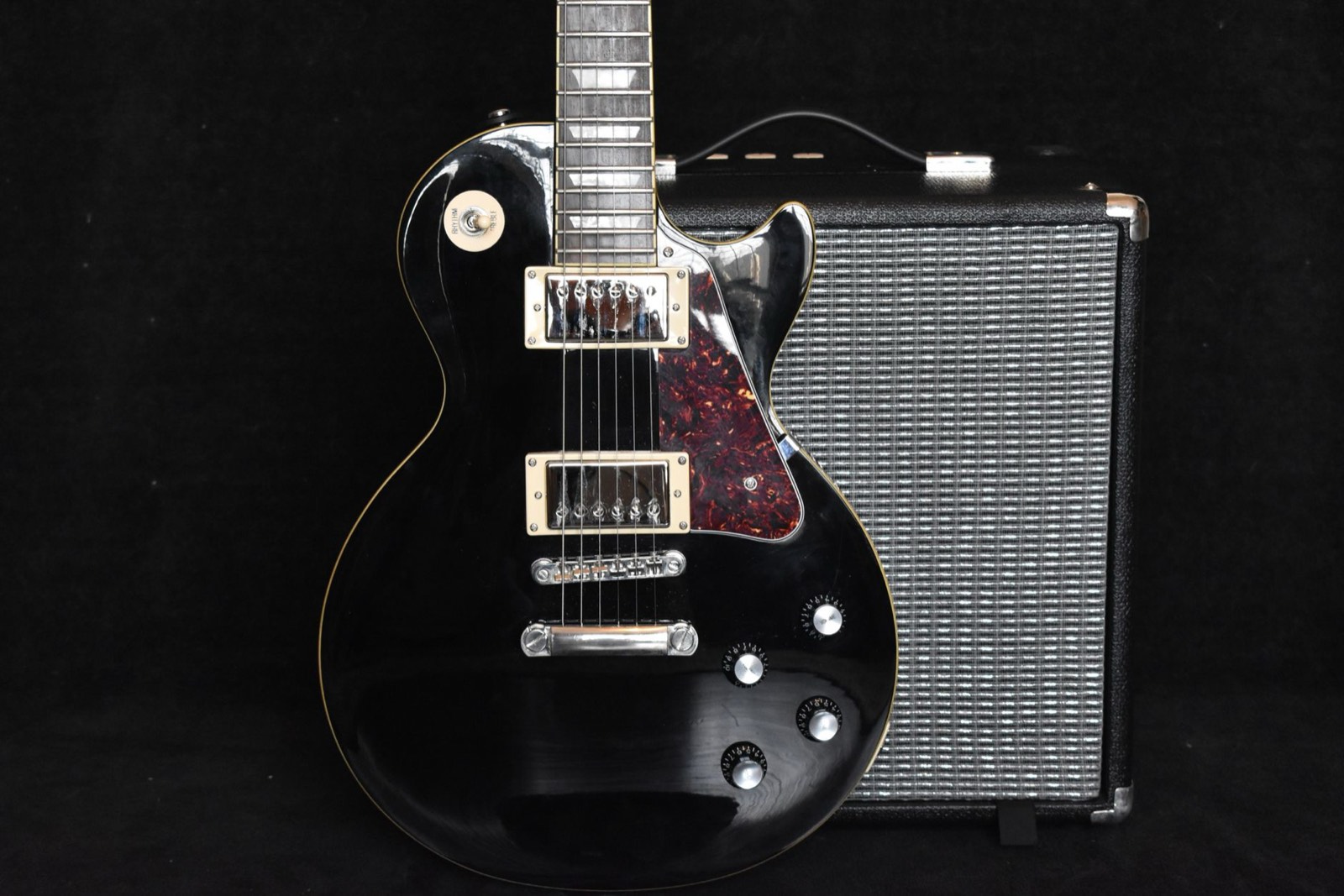
Pantera Amp Settings: Dimebag Darrell Guitar Tone Guide
Build a practical Dimebag Darrell tone with tight solid-state gain, external EQ, a precise gate and separate rhythm, clean and lead settings for Pantera songs.
By the ToneTwin Research Team · Evidence and uncertainty reviewed
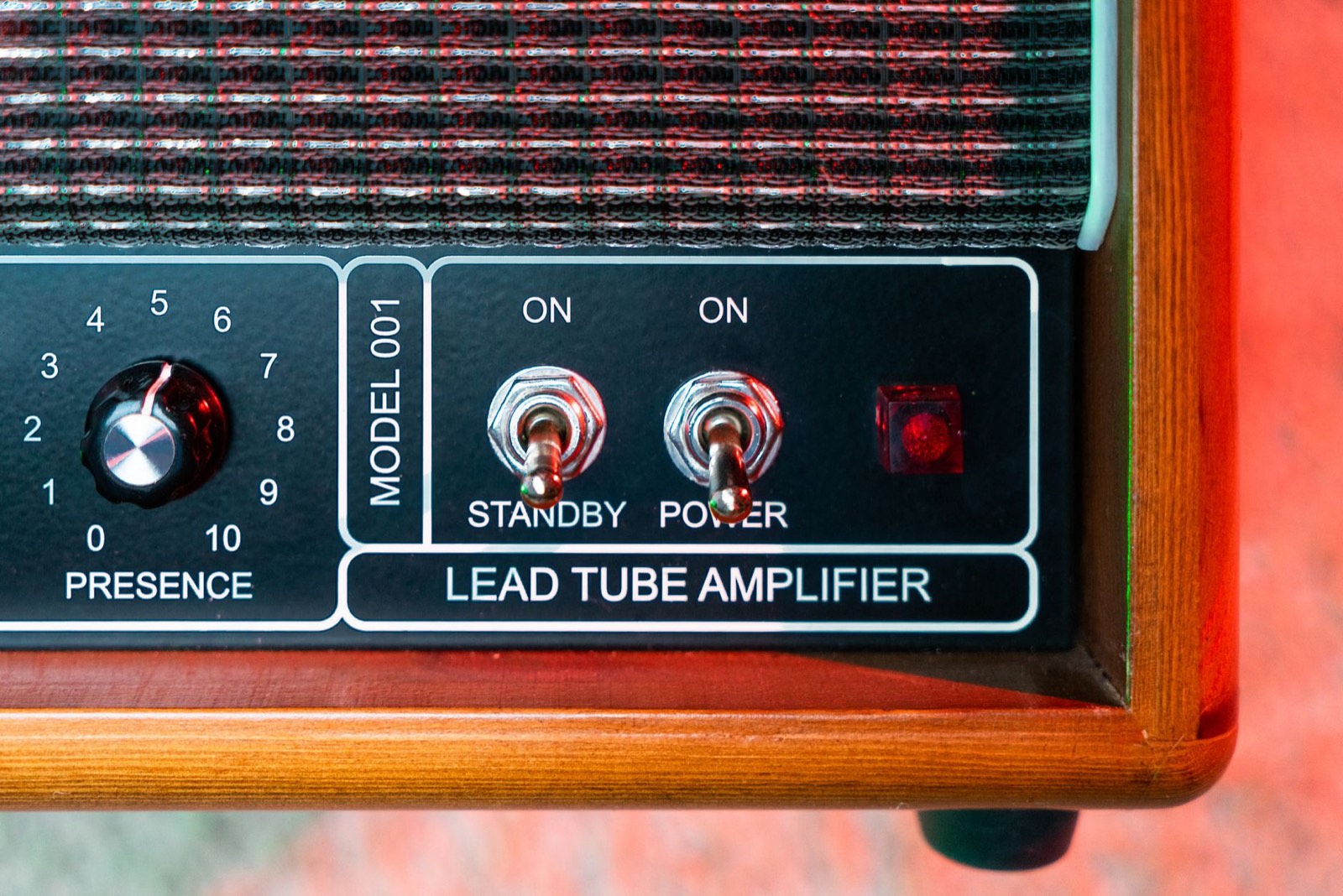
For a practical Pantera rhythm tone, use a high-output bridge humbucker into tight solid-state-style gain, shape the input with external EQ, keep the bass controlled and use a fast gate for the rests. Do not remove every mid frequency. Set the gate before adding more gain, and create separate clean, rhythm and lead sounds. Dimebag Darrell's rig changed across eras, so one copied control panel cannot cover every song.
Quick Pantera amp direction
| Element | Direction | What to listen for |
|---|---|---|
| Pickup | High-output bridge humbucker | Fast attack and a firm low end |
| Gain | High, then reduce it | Saturation without blurred groove notes |
| Bass | Controlled before gain | Weight without loose palm mutes |
| Mids | Deliberately shaped, not removed | Aggression with audible pitch |
| Treble and presence | Bright but controlled | Sharp attack without fizz |
| Gate | Fast for rhythm, lighter for leads | Clean rests without shortened sustain |
Dimebag's longtime guitar tech Grady Champion says the sound depended on more than a mid scoop. In his account of the rig, the Furman parametric EQ and six-band EQ worked together like a large gain stage, while the Rocktron Guitar Silencer supplied much of the tightness. That means the correct order is pickup, input shaping, gain and gate behavior—not one extreme V-shaped amplifier setting.
The core Dimebag signal method
- Select the high-output bridge humbucker and confirm the song's tuning.
- Choose the fastest solid-state or tight high-gain amplifier voice available.
- Remove loose low bass before the gain stage.
- Use EQ to shape selected mid frequencies instead of cutting the full midrange.
- Raise gain only until the riff sustains, then lower it until each note is distinct.
- Set the gate while playing the real rests in the riff.
- Add wah, doubling, delay or reverb only for the part that uses it.
Champion traces the trademark amplifier sound to a Randall RG100. He also describes later moves to RG100HT rack heads and Century 200 amplifiers, plus separate equipment for clean sounds. A later Warhead or signature product is therefore not automatic evidence for an earlier recording. Match the album period first.
Domination and the early Randall attack
Domination needs a dry, immediate rhythm sound with a sharp start to every note. Use the bridge humbucker, Randall-style solid-state gain and external EQ direction from the table. Keep wah for the lead. If the riff becomes broad and soft, lower bass and gain before raising the gate.
Walk: the gate is part of the groove
Walk leaves large spaces between heavy notes, so the noise floor is easy to hear. Set the gate from those rests. It should close the hiss quickly but reopen without swallowing the first transient. The song is in D standard; tuning down changes the feel and low-end response before any amplifier control is moved.
Cemetery Gates needs more than one sound
Cemetery Gates moves between clean passages, heavy rhythm and a sustaining lead. Build separate states. The clean sound needs clear note edges and light ambience. The rhythm needs tight gain and a firm gate. The lead needs more sustain, a lighter gate and part-specific wah or ambience. One aggressive rhythm preset will damage the clean and lead sections.
Floods: main lead and outro are different chains
The main Floods lead needs long sustain, controlled bass and a gate that does not cut bends. The ending is different. In Dimebag's first-hand account, published by Guitar World, he re-recorded the outro during mastering with a loaner Les Paul plugged straight into a Korg G3 and recorded direct to DAT. Use a separate direct or digital preset for that section.
10's: protect the lead sustain
For 10's, begin with the sustaining lead target, not the tightest rhythm gate. Dimebag discussed using compact digital equipment for clean and special textures, and a passage-specific device does not make every item in a later touring rack part of this studio chain. Keep the gate light, shape the mids for vocal bends and add wah only where the phrasing needs movement.
Translate it to the equipment you own
| Your amplifier | Best starting method | Main risk |
|---|---|---|
| Solid-state or Randall-style model | Use its fast high-gain voice and shape EQ before the amp | Excess treble can become harsh |
| Modern tube high-gain amp | Use a low-drive boost or pre-EQ for attack | Too much low-end compression |
| Modeler or plugin | Choose a tight solid-state model, pre-EQ and fast gate | Copying a preset without matching input level |
| Small practice amp | Lower bass and gain; preserve mids and use the built-in gate carefully | Trying to create cabinet weight with loose bass |
If the sound is still wrong
- Loose: lower bass and gain before increasing the gate.
- Thin: restore selected mids; do not add only bass.
- Harsh: lower presence first, then treble.
- Lead notes stop early: lower the gate threshold and release less aggressively.
- Sounds like generic modern metal: use a faster solid-state voice and more deliberate pre-EQ shaping.