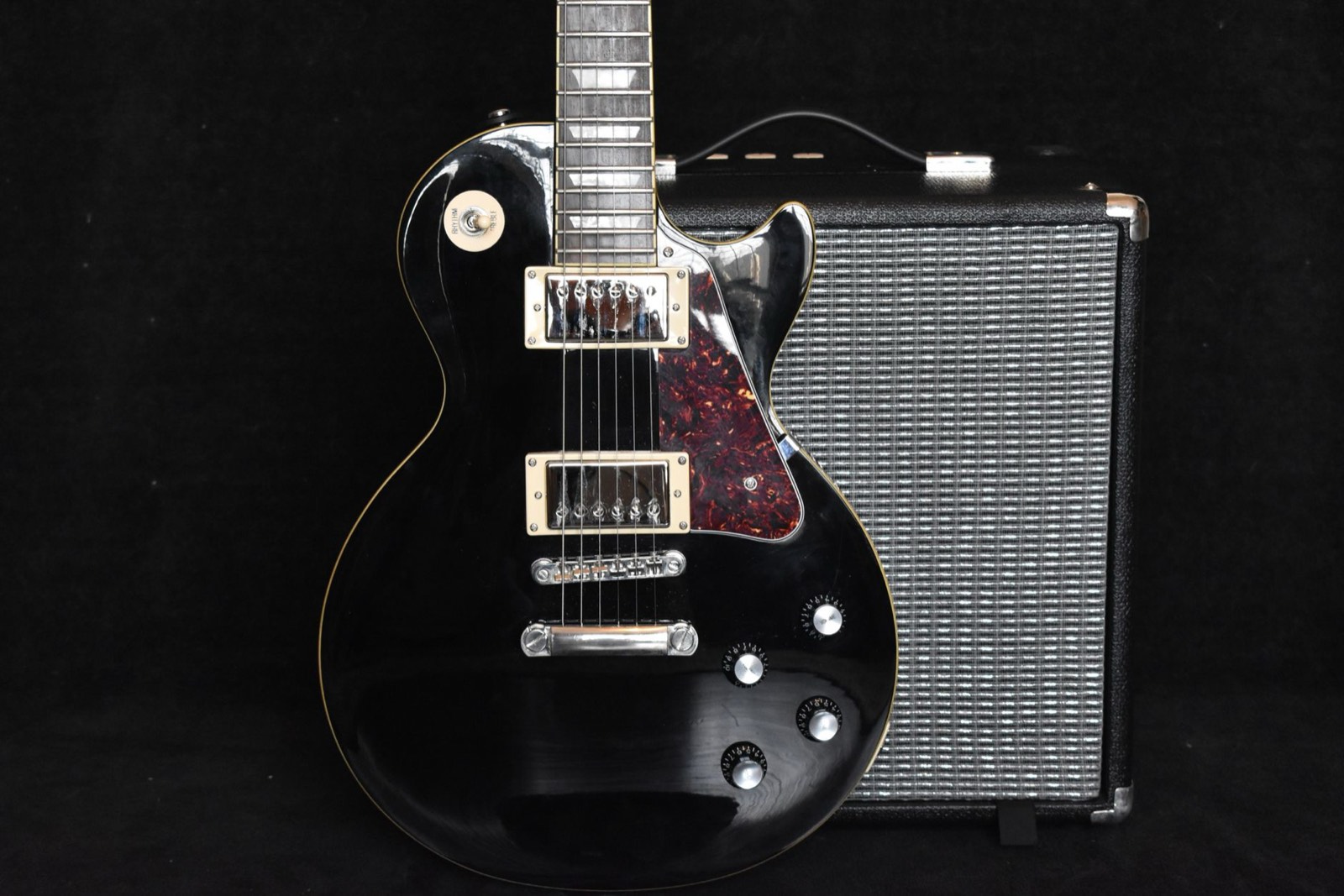
Metallica Amp Settings: Master of Puppets, One and More
Metallica amp settings for tight rhythm and lead tones, with practical gain, EQ, pickup and effects guidance for Master of Puppets, One and Enter Sandman.
By the ToneTwin Research Team · Evidence and uncertainty reviewed
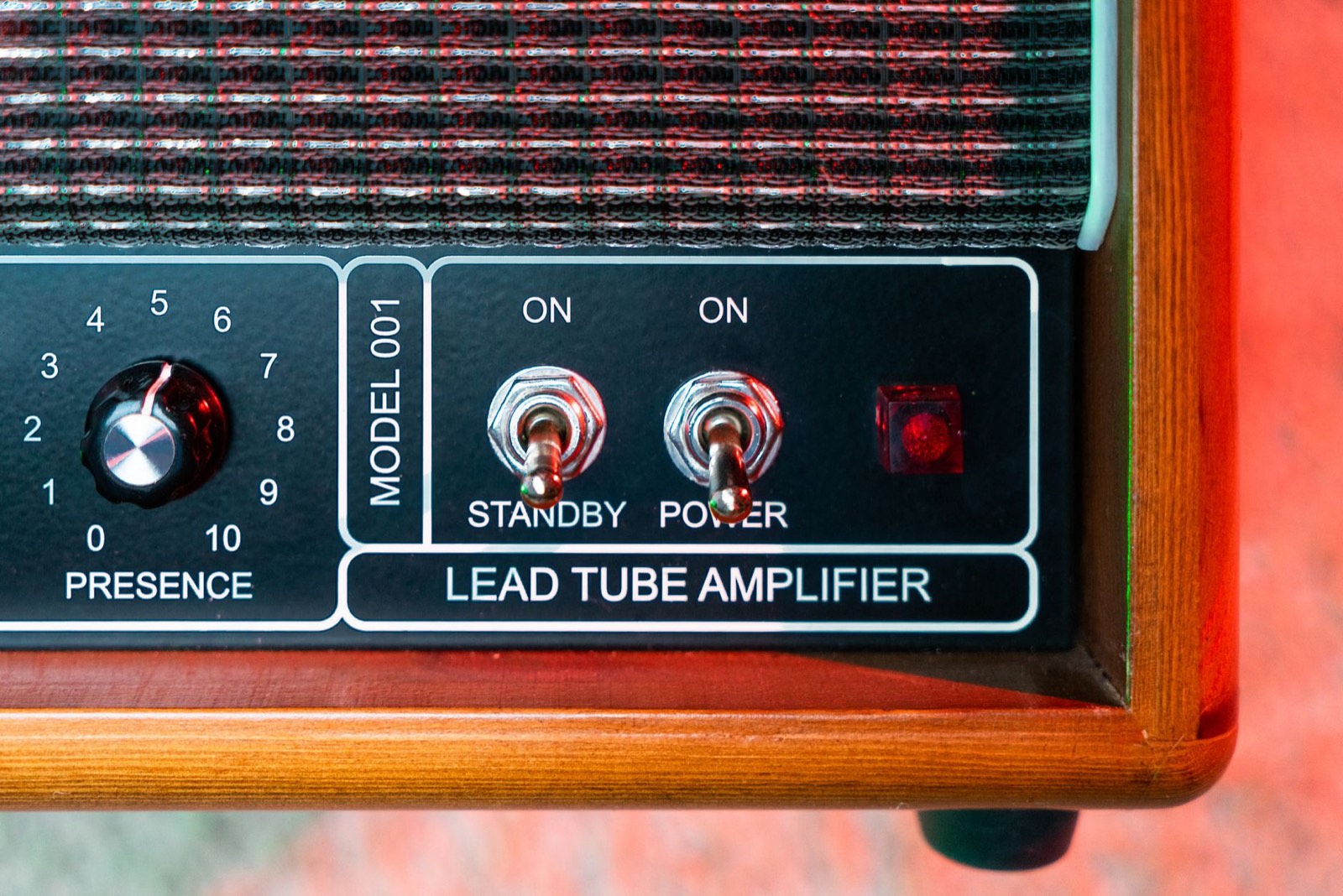
For a practical Metallica rhythm tone, use a high-output bridge humbucker into tight high gain, keep the bass controlled, retain enough mids for definition, set treble for attack and keep reverb nearly off. Lower the gain until fast down-picked notes separate. For leads, add sustain and focused mids, then use wah or delay only when the part calls for it. There is no single preset for every Metallica era.
Quick Metallica amp direction
| Control | Direction | What to listen for |
|---|---|---|
| Gain | High, then reduce it | Fast notes remain separate and chords do not turn to noise |
| Bass | Controlled | Weight without a loose palm-mute attack |
| Mids | Present, with only a deliberate scoop | The riff stays audible beside bass and drums |
| Treble | Clear, not sharp | Pick attack without brittle fizz |
| Presence | Use for the last amount of cut | Lower it first when the sound hurts |
| Reverb | Off or very low for rhythm | Dry, immediate stops |
Set the sound while playing the real riff at the speed you will use. A slow open chord can hide too much gain and low end. Fast down-picking exposes both problems immediately. If your amplifier has resonance or depth, use it carefully: it adds physical low-end push, but too much makes the rhythm loose.
The core rhythm method
- Select the bridge humbucker and confirm the song's tuning.
- Choose the tightest high-gain or Mesa-style voice on the amplifier.
- Lower bass before the distortion stage; add cabinet weight later if needed.
- Raise gain until notes sustain, then lower it until the riff becomes precise.
- Keep enough mids to hear the pitch of every note.
- Add a low-drive boost only if the amplifier attack remains loose.
- Keep rhythm reverb very low and control noise without cutting natural sustain.
Master of Puppets: tight, layered rhythm
Mesa/Boogie identifies the Mark IIC+ as an important part of the Master of Puppets sound. That is a useful amplifier family, not permission to invent one exact historical control panel. The practical target is a fast, dry and controlled rhythm sound with enough midrange to preserve the pitch of the down-picked riff. Start with the dedicated Master of Puppets tone page.
The record sounds larger than one guitar in a room because the performances are layered and recorded through cabinets and microphones. Do not add enough gain or bass to make one live guitar imitate the entire mix. Make the single track precise; the arrangement creates the size.
One: keep the clean, rhythm and solo sounds separate
Oneis not one preset. Producer Flemming Rasmussen's account describes a recording built across many tracks, while Kirk Hammett's session interview identifies an ADA MP-1 in the clean sound and a blend with Mesa equipment for lead work. The useful lesson is part separation: a clear clean introduction, a tight heavy rhythm and a sustaining lead must be set as different sounds.
- Clean introduction: use a clear clean voice and preserve note attack; do not leave the rhythm gain active.
- Heavy rhythm: use the core recipe above, with controlled low end and minimal ambience.
- Lead: use a bridge humbucker, sustaining gain and focused mids; add wah only for the phrases that use it.
Enter Sandman and the Black Album scale
Enter Sandman feels wider and heavier than the earlier thrash records, but the main riff still depends on definition. Use a tight high-gain base, keep the low end controlled at the input and let the cabinet or resonance control provide weight. Preserve mids rather than copying an extreme bedroom scoop. Layering and production provide much of the finished size.
How the target changes by song
| Song | Main target | First adjustment |
|---|---|---|
| Seek & Destroy | Rawer early-metal crunch | Use less saturation and more open mids |
| For Whom the Bell Tolls | Heavy, deliberate rhythm weight | Keep bass firm and leave space around each note |
| Master of Puppets | Fast, dry and highly controlled rhythm | Lower gain and bass until down-picking stays precise |
| One | Separate clean, rhythm and solo sounds | Choose the part before setting the amplifier |
| Enter Sandman | Wide, polished high-gain rhythm | Add weight after the input, not as loose pre-gain bass |
Compare the researched pages for Seek & Destroy, For Whom the Bell Tolls, Master of Puppets, One and Enter Sandman. The amp family, tuning, guitar role and production change across those records, so one copied setting cannot cover all five.
If the sound is still wrong
- Loose palm mutes: lower bass, resonance and gain; add a low-drive boost only after those changes.
- Riff has no pitch: restore mids and reduce saturation.
- Sharp or fizzy: lower presence first, then treble.
- Noise gate cuts notes: lower its threshold; the gate should clean the gaps, not shape every note.
- Big alone but small with drums: reduce the mid scoop and stop competing with the bass guitar.