What 508 Vetted Guitar Tone Records Reveal About Gear, Pedals and Tunings
An original analysis of 508 vetted ToneTwin records: the most represented guitar, amp and pedal makers, effect use, tunings, chain length and study limitations.
By the ToneTwin Research Team · Evidence and uncertainty reviewed
In 508 vetted public tone records, the median reported signal chain contains three items, 68.1% include at least one pedal or effect, Marshall and Fender lead amplifier occurrences, Gibson is the most represented instrument maker, and 72.2% are listed in standard E tuning. This describes the ToneTwin catalog—not all recorded music—and excludes historical knob values.
Study scope and method
This analysis uses the vetted public ToneTwin catalog as it stood after the July 20, 2026 cleanup. Legacy V1 research and duplicate or section-variant pages were removed from the public set rather than counted as separate evidence. The resulting snapshot contains 508 records: 508 unique normalized song–artist pairs across 233 artists and 21 genre labels. All percentages below use those 508 records unless a section explicitly says it counts gear items.
The study examines reported signal-chain structure, maker names, effect presence, tuning and citation coverage. It does not analyze original knob positions. Those values are frequently unavailable from direct sources, so including modeled values would create false precision. The full rules are in the research methodology, and the aggregate snapshot is available as structured JSON.
| Measure | Result | Definition |
|---|---|---|
| Public records | 508 | Vetted, V2-backed pages in the published catalog |
| Unique songs | 508 | Normalized song plus artist after duplicate cleanup |
| Artists | 233 | Distinct normalized artist names |
| Citation links | 1,659 | Retained source URLs after source-policy cleanup |
| Signal-chain coverage | 508 songs (100%) | At least one structured gear-chain item |
| Gear items | 1,737 | All items across the structured chains |
Finding 1: Marshall and Fender lead amplifier occurrences
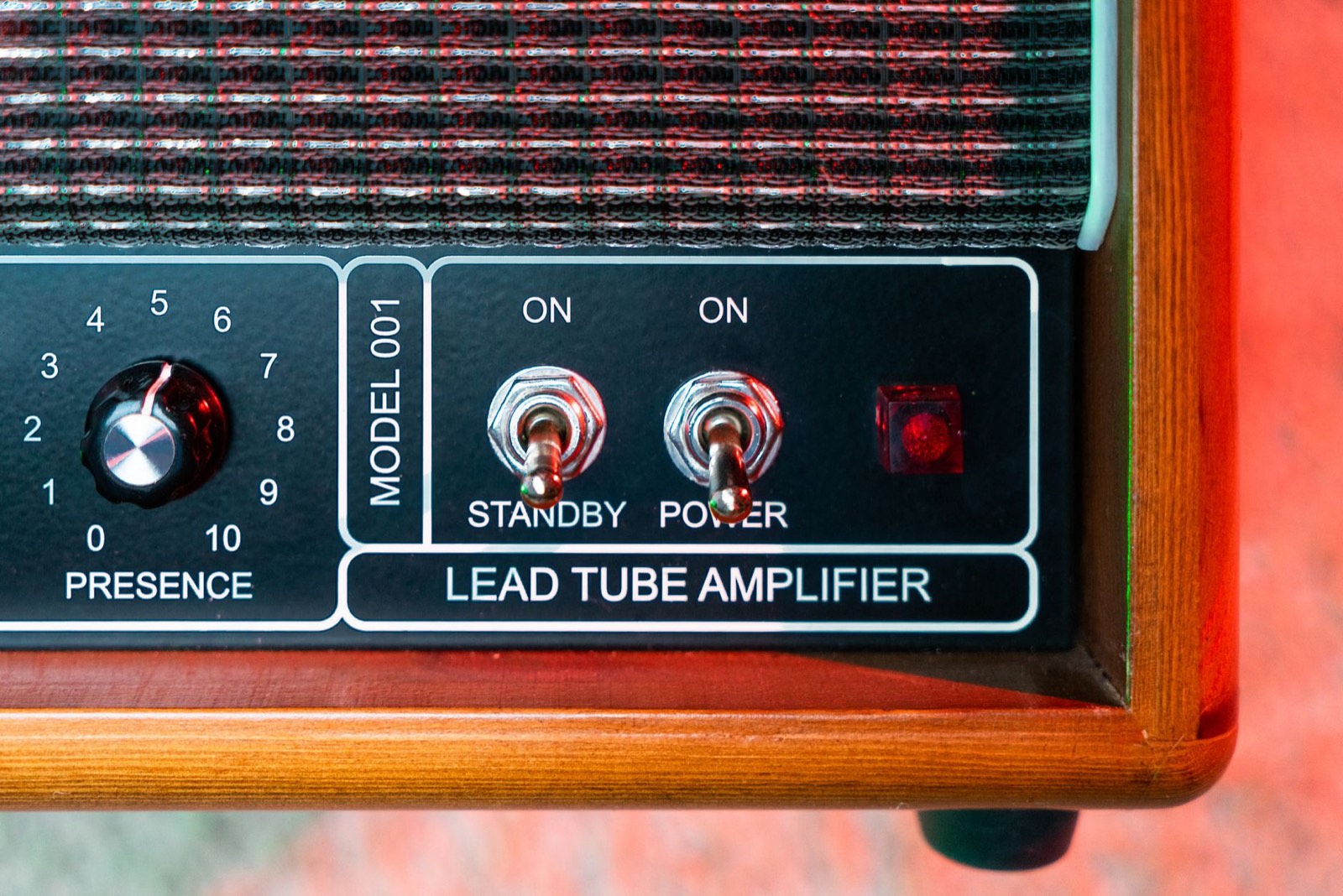
Marshall appears in 146 amplifier entries and Fender in 139—a difference of seven. Normalizing Mesa/Boogie spelling variants produces 51 entries, followed by Vox with 21. The result is a useful reminder that the catalog does not collapse into one “default rock amp”: American clean and breakup platforms and British crunch platforms are both deeply represented.
| Amplifier maker | Chain occurrences | Share of 518 amp items |
|---|---|---|
| Marshall | 146 | 28.2% |
| Fender | 139 | 26.8% |
| Mesa/Boogie (normalized) | 51 | 9.8% |
| Vox | 21 | 4.1% |
These are item counts, not proof of sales, cultural importance or a model's use on every track attributed to an artist. A song can contain more than one amp, and an uncertain entry remains an entry in this catalog study.
Finding 2: Gibson leads instruments; Fender has the broadest amp-and-guitar footprint
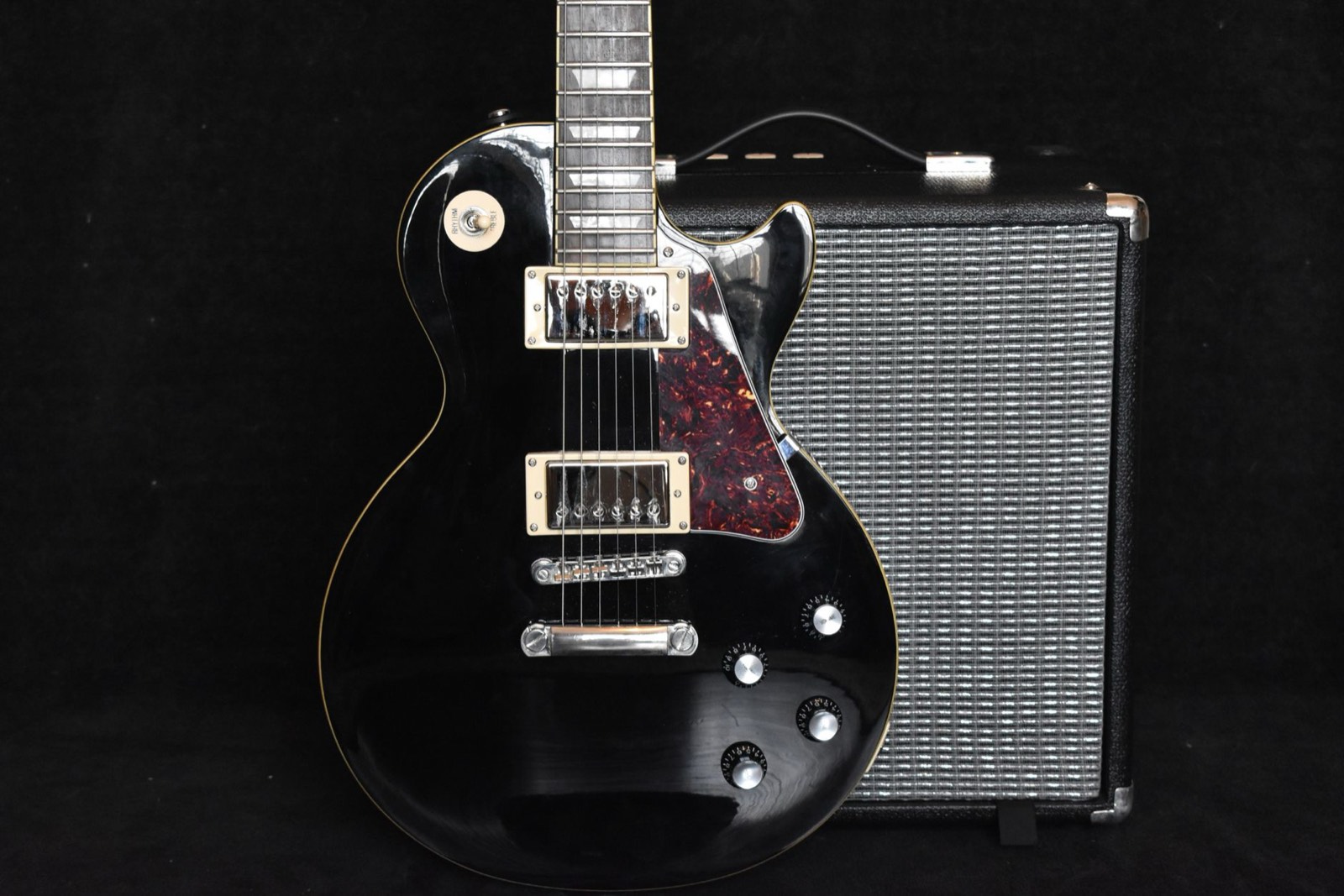
Across 531 instrument items, Gibson appears 191 times and Fender 147, followed by Ibanez at 21. The count can exceed the 508-song total because layered recordings and multi-guitar chains can contain more than one instrument. Fender is unusual in ranking near the top on both sides of the cable: instruments and amplifiers.
| Instrument maker | Chain occurrences |
|---|---|
| Gibson | 191 |
| Fender | 147 |
| Ibanez | 21 |
| Jackson | 10 |
| Epiphone | 9 |
| Martin | 9 |
Finding 3: more than two thirds include a pedal or effect
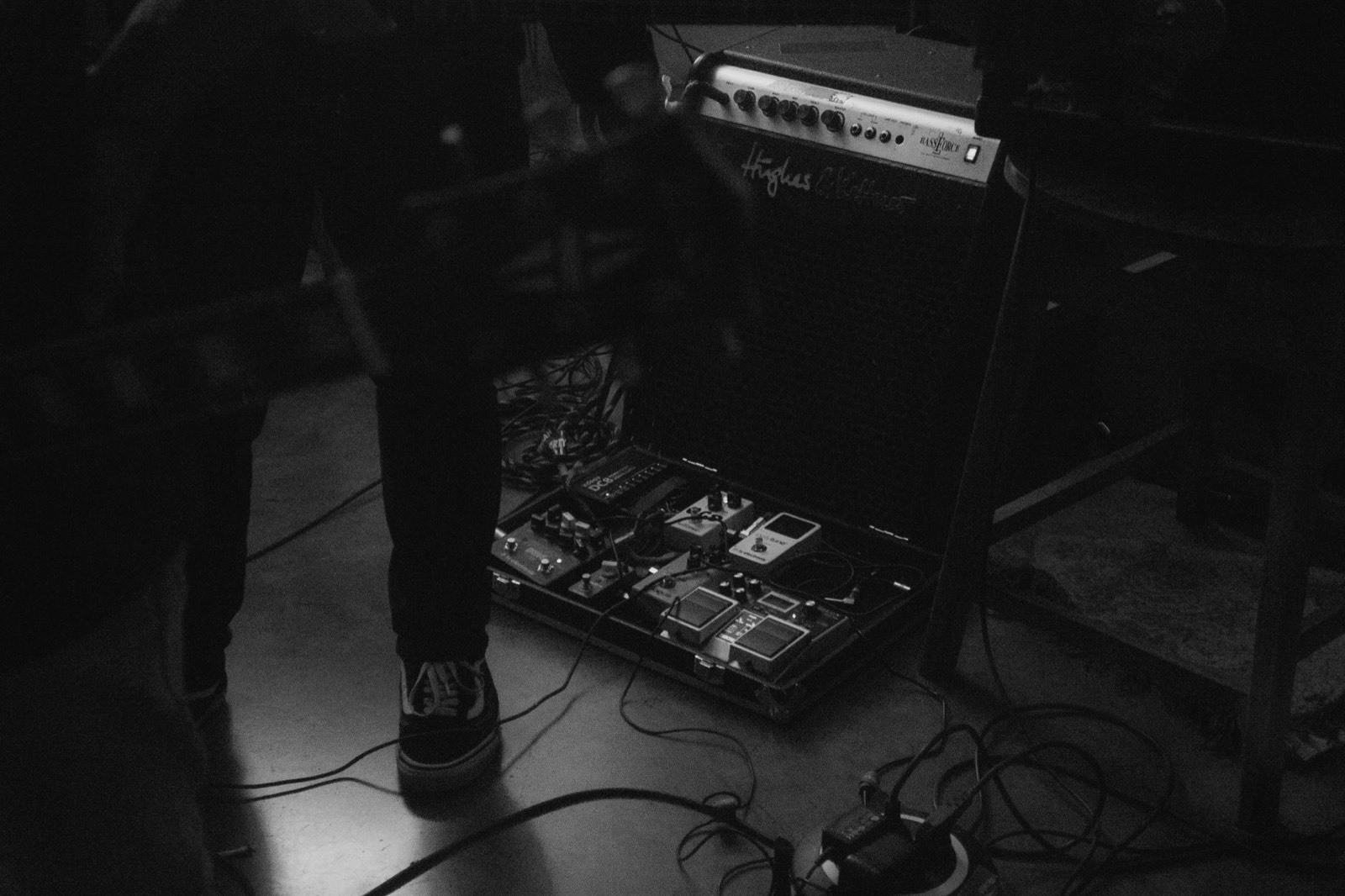
Three hundred and forty-six of the 508 songs—68.1%—contain at least one pedal or effect in their research record. After normalizing obvious maker-name variants, Boss leads with 86 occurrences, followed by MXR at 50, Ibanez at 49, Dunlop at 24 and Electro-Harmonix at 19.
That does not mean every listed device is the defining part of the tone. It does show why amp-only recipes so often miss the record: compression, boost, fuzz, modulation, delay and reverb frequently sit inside the chain, even when the amplifier supplies the main distortion.
Finding 4: the typical chain is short
The median structured chain contains three items and the mean is 3.42. Every record has a structured chain; together they contain 1,737 gear items: 531 instruments, 518 amplifiers, 504 pedals or effects and 184 cabinets or speakers. Famous tones can involve elaborate production, but the documented player-facing chain is commonly compact.
Finding 5: standard tuning dominates, but E-flat is substantial
| Tuning group | Songs | Share |
|---|---|---|
| Standard E | 367 | 72.2% |
| E-flat standard | 65 | 12.8% |
| Other alternate tunings | 23 | 4.5% |
| Drop D | 20 | 3.9% |
| Other drop tunings | 20 | 3.9% |
| Open tunings | 11 | 2.2% |
| DADGAD | 2 | 0.4% |
The practical lesson is simple: tuning is a higher-value first check than copying EQ numbers. A semitone or a dropped sixth string changes pitch, tension, attack and how the amp responds before any control is moved.
Source coverage and what it does not prove
Every record retains at least two citations, with a median of three and 1,659 total links. Citation presence is not the same as source strength: a direct engineer interview can support more than several copied summaries. ToneTwin therefore shows sources, applies an evidence hierarchy and removes competing recipe or tone-matching sites rather than treating circular claims as independent proof.
Important limitation: this is a curated catalog, not a popularity poll
The eight main genre labels contain between 47 and 72 records each: metal, rock, blues, indie, punk, jazz, pop and country. Fourteen additional records use more specific labels. This gives the catalog broad coverage, but these counts must not be read as the share of gear in global hit music. A popularity-weighted sample, a studio-session archive and a curated learning catalog answer different questions.
- Research records can contain mistakes or unresolved attribution.
- Gear maker counts depend on naming normalization and structured-chain coverage.
- One song can contribute several guitars, amps or effects.
- Absence from a chain can mean undocumented, not definitely unused.
- The snapshot will change as sources and corrections improve.
The useful conclusion
The aggregate picture favors a disciplined order of operations: identify the guitar and pickup family, confirm tuning, understand the amp family, add only the effects that define the part, then model settings for the actual rig in front of the player. The data supports researching the chain first; it does not support pretending one universal set of historical knob numbers exists.