Marshall 1959BJA vs the Original Dookie Mod: What Changed?
Marshall's new Billie Joe Armstrong 1959BJA turns the Dookie Mod idea into an official handwired signature head. Here is what Marshall confirms, what changed, and what remains unknown.
By the ToneTwin Research Team · Evidence and uncertainty reviewed
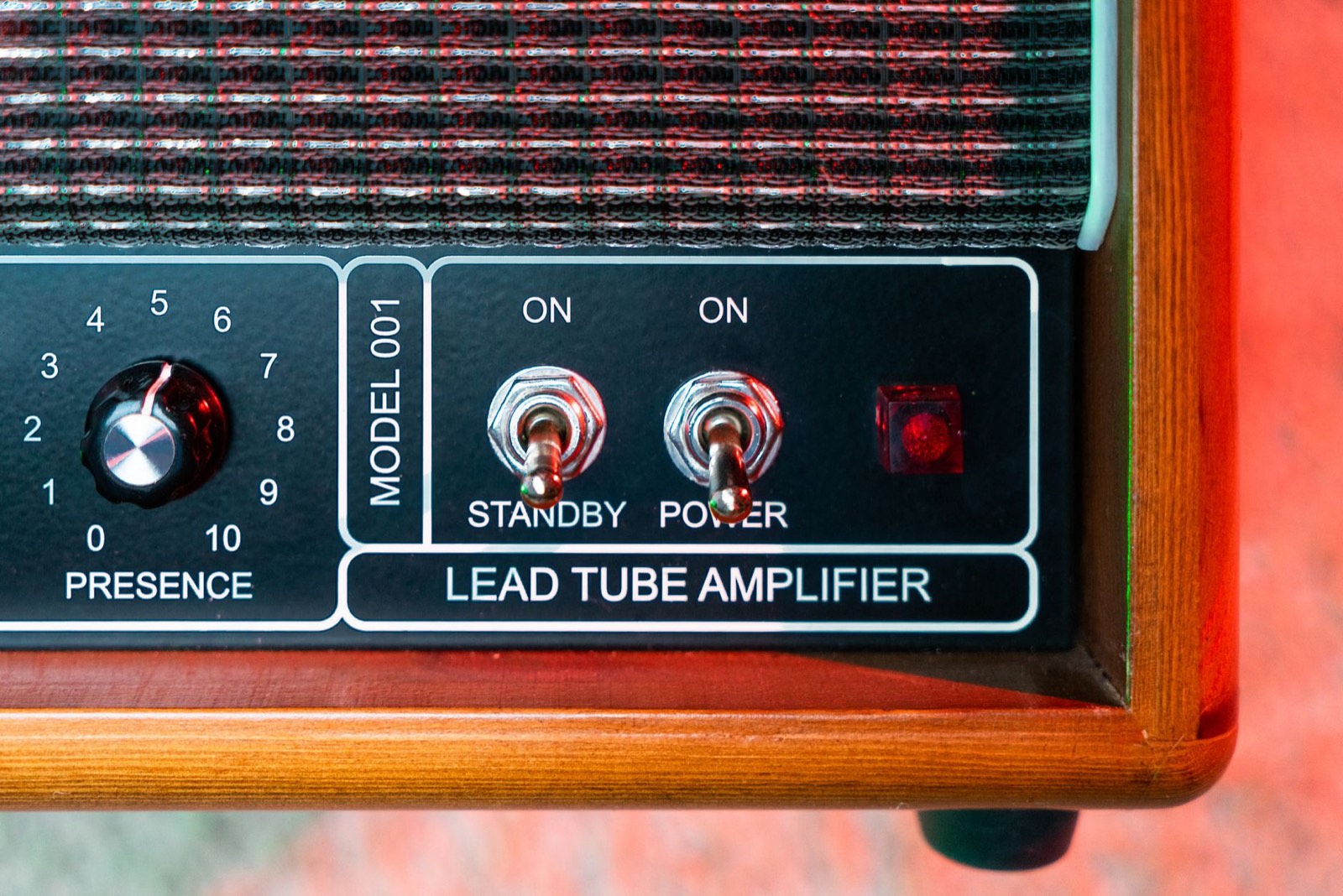
The 1959BJA is not presented as a museum clone of a single 1994 recording amp. Marshall says it starts with the handwired 1959HW platform, adds a custom Dookie Mod developed with Billie Joe Armstrong, and targets increased gain, tighter lows and saturated punch in a modern stage-ready head. The original Dookie reference was a specially modified 1959SLP; the new amp formalizes that idea as an official Marshall product.
What Marshall actually announced
Marshall unveiled the 1959BJA on July 13, 2026 and called it the company's first artist-signature amplifier in 14 years. The official launch announcement says the head was developed with Armstrong, uses the handwired 1959HW as its platform and carries a custom Dookie Mod inspired by the tone shaped with producer Rob Cavallo during Green Day's breakthrough era.
That wording matters. “Inspired by” and “stage-ready” describe a production interpretation of the old idea; they do not establish a component-for-component replica. Marshall's announcement emphasizes the result—more gain, a tighter low end and saturated punch—rather than publishing a full circuit comparison.
1959BJA vs original Dookie Mod
| Question | Original Dookie reference | 1959BJA |
|---|---|---|
| Base amplifier | Specially modified Marshall 1959SLP | Current handwired 1959HW platform |
| Status | Custom working amplifier associated with the Dookie sound | Official Billie Joe Armstrong signature product |
| Design goal | The recorded and touring tone that became the reference | Bring that punch, aggression and clarity into a modern stage-ready format |
| Voicing Marshall names | Not specified as a factory feature set | Increased gain, tighter lows and saturated punch |
| Cabinet | Part of a larger recording rig | Head-only; the player chooses the cabinet |
| Appearance | The historical modified head | Baby-blue covering, brass and silver details, custom branding and signatures |
Marshall's own Armstrong gear history identifies a specially modified 1959SLP, known as the Dookie Mod, as central to the album tone. It also places 1959SLPs and JCM900s in Armstrong's broader Marshall history. That does not mean every Green Day record or every live era used one identical chain.
The biggest change is repeatability
A one-off modified amplifier is a moving target: its component history, maintenance, voltage, cabinet and exact revision can all matter. An official signature model turns the manufacturer's approved interpretation into something repeatable. For a player, that is more consequential than copying a photograph of old knob positions. The new amp gives the mod a defined production platform and a stated voicing goal.
The head-only format also leaves a major part of the final sound open. A cabinet and speakers change low-end control, upper-mid bite and how quickly the sound feels compressed. “Own the signature head” and “reproduce the finished Dookie mix” are therefore not the same promise.
What did not change
- The reference remains a loud, British Plexi-family foundation rather than a pedal-first distortion recipe.
- The target words remain punch, aggression and clarity—not maximum saturation.
- The Dookie Mod concept still centers on added gain and a controlled low end.
- The cabinet, guitar, pickup, playing attack, tracking and mix remain part of the sound outside the head.
What Marshall has not documented yet
The launch material does not provide a full schematic comparison, a list of component changes, a verified map to each historical Dookie-era head, or the original studio control positions. It also does not prove that one setting recreates Basket Case, When I Come Around, American Idiot and later live tones. Those are different evidence questions, and a responsible guide should not fill the missing details with confident numbers.
What this means for getting the tone
- Start with the right family: a Plexi-style British amp with a firm, fast low end.
- Use the bridge pickup and judge gain by chord separation, not by a copied number.
- Keep the rhythm sound dry and mid-present enough to stay clear in a band.
- Treat the cabinet and speakers as part of the recipe, especially if the head feels too loose or sharp.
- Compare the exact song's researched chain; do not assume every Green Day era is the Dookie rig.