Get this tone on your gear
Keep this song selected. Choose your guitar and amp for playable settings. Subscription required.
The recording
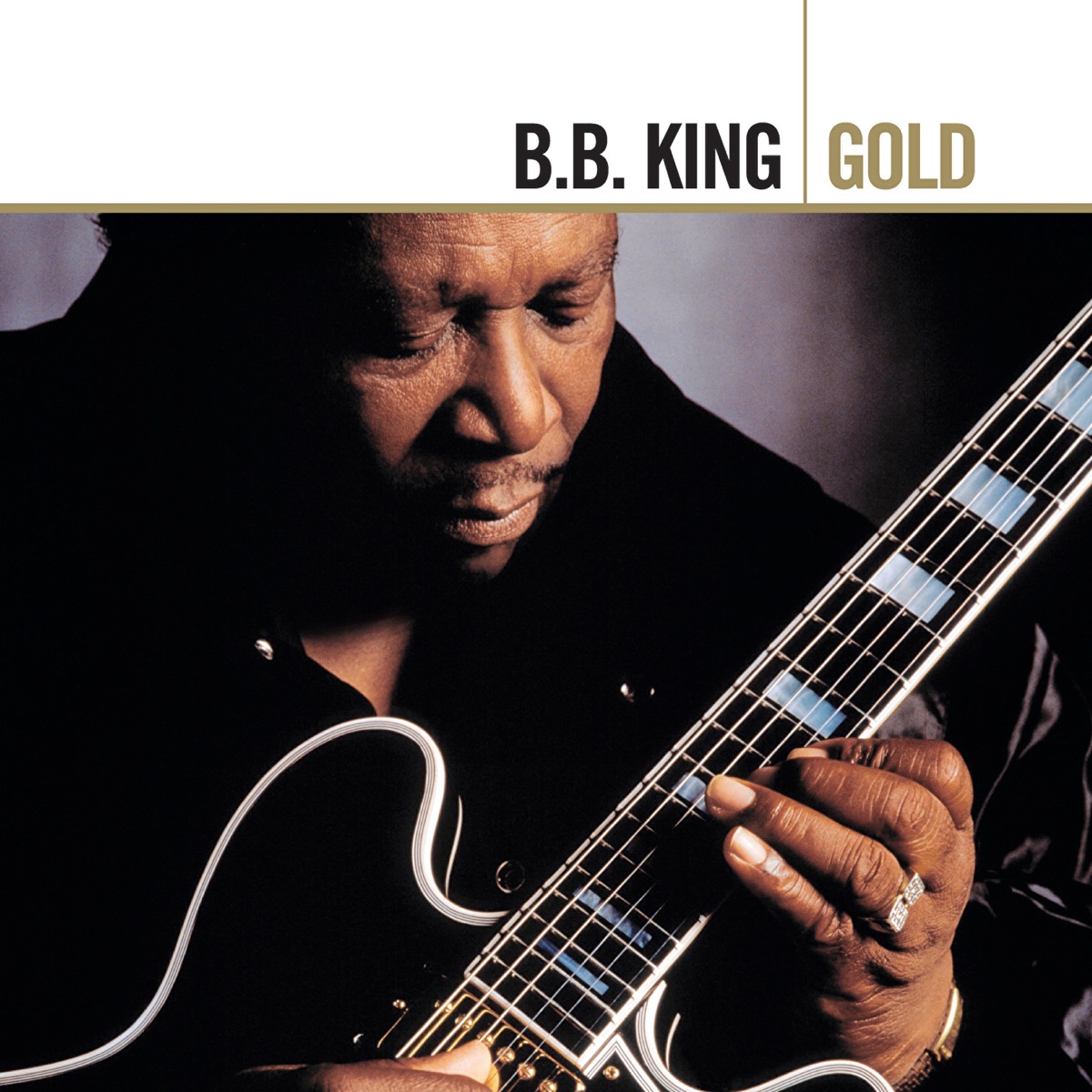
Recorded on November 19, 1955, 'Sweet Little Angel' captures B.B. King's vocal and lead guitar in a single‑track studio session. Using his black Gibson ES‑355 named 'Lucille', he plays the melody with the neck pickup, applying his trademark wide, slow vibrato and dynamic fingerpicking that lets each note sing. The clean tone was captured with a simple mic‑to‑amp setup that preserves the guitar’s natural sustain and the subtle room ambience of the studio.
Tuning Standard (E A D G B E)
Signal chain · Solo
Original gear

Gibson ES-355 'Lucille'
Guitar
King’s black ES‑355, affectionately called ‘Lucille’, provided the warm, singing lead tone on ‘Sweet Little Angel’.

Fender Twin Reverb (1960s)
Amp
The clean, high‑headroom sound of the recording is commonly attributed to a mid‑60s Fender Twin Reverb, which King used for many studio sessions.
Alternatives
Practical playing approach
Recreation guidance, not a claim about undocumented studio control positions.
- 1.Use the neck pickup and set the tone knob to a warm position for a full, singing tone.
- 2.Apply a slow, wide vibrato on each bend to capture King’s signature phrasing.
- 3.Play with light attack, letting each note ring and using volume control to shape dynamics.
- 4.Maintain consistent finger pressure and use fingerpicking to let the notes breathe.
Frequently asked questions
What gear was used for the Sweet Little Angel guitar tone?
The available research points to Gibson ES-355 'Lucille' into Fender Twin Reverb (1960s). The full reported signal chain and evidence links are listed on this page.
Are the original Sweet Little Angel amp settings documented?
Exact historical knob positions are not reliably documented for most recordings. ToneTwin does not publish generated values as studio fact; it creates playable settings only for the amp and pedals a player selects.
What tuning is Sweet Little Angel in?
The current research record lists Standard (E A D G B E). ToneTwin keeps corrections open when reliable accounts disagree.
How do I recreate the Sweet Little Angel tone on my own gear?
Use the reported pickup, gain character, effects and signal-chain order as the target, then translate that target to your equipment. The matcher models controls for your selected rig rather than copying undocumented studio numbers.
Researched and reviewed by the ToneTwin Research Team.
Sources