Get this tone on your gear
Keep this song selected. Choose your guitar and amp for playable settings. Subscription required.
The recording
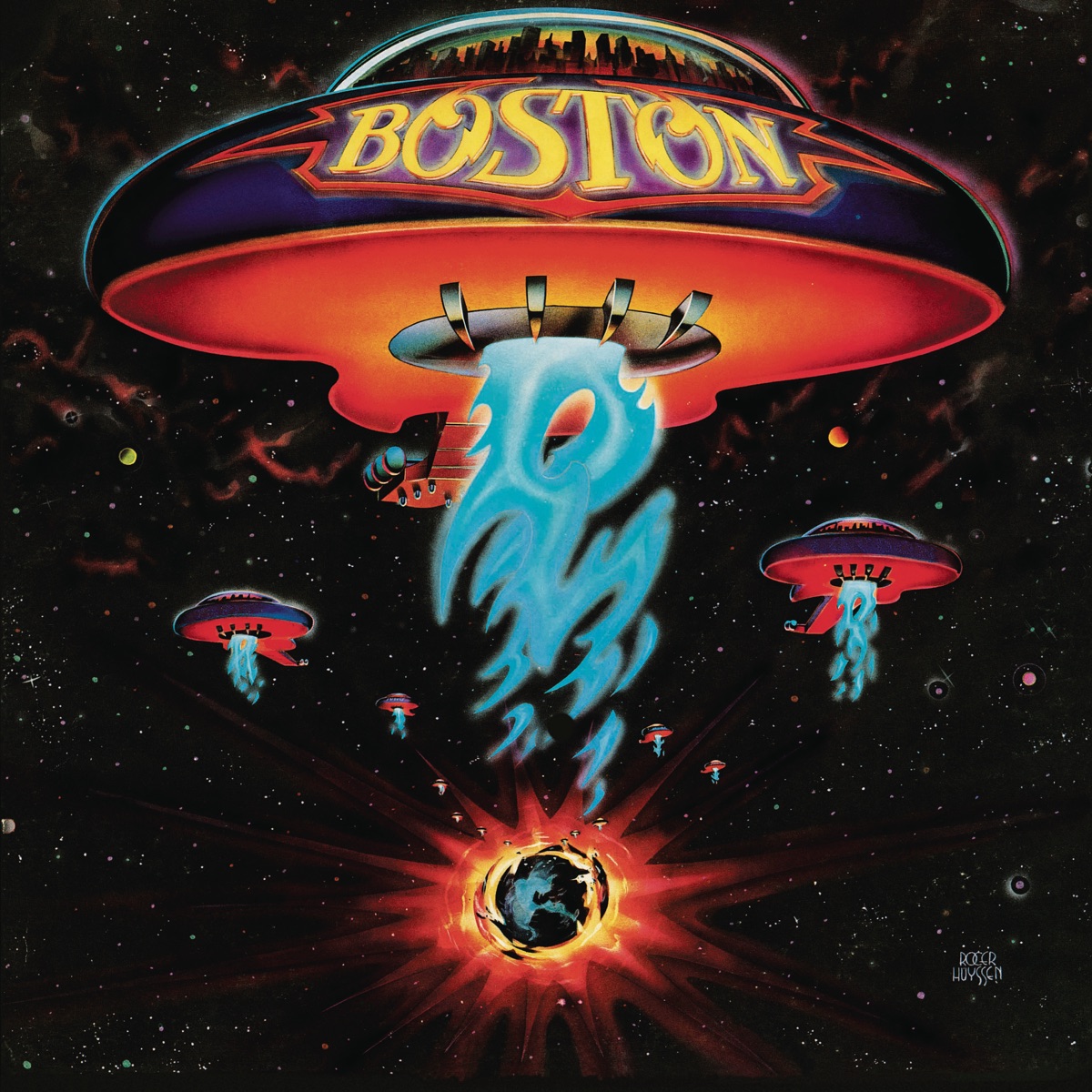
Tom Scholz recorded 'More Than a Feeling' in his Watertown basement studio (Foxglove Studios) using a home‑built signal chain. He played a 1968 Gibson Les Paul Goldtop (modified with high‑output pickups) through a custom Power Soak attenuator that let him crank a 100 W Marshall Super Lead Plexi at low volume. The signal was shaped by his own compressor/sustainer and graphic EQ units before hitting the amp, and an Echoplex EP‑3 tape‑delay added ambience. Multiple takes were double‑ and triple‑tracked, with meticulous EQ and panning, creating the iconic soaring, glassy lead tone.
Tuning Standard (E A D G B E)
Signal chain · Riff
Original gear

1968 Gibson Les Paul Goldtop (modified with high‑output pickups)
Guitar
Scholz used his 1968 Les Paul Goldtop, swapping the stock P‑90s for high‑output DiMarzio Super Distortion humbuckers to boost sustain and drive for both rhythm and lead parts on 'More Than a Feeling'.

Scholz Custom Power Soak Attenuator (prototype)
Attenuator
A homemade prototype Power Soak let Scholz run his Marshall at full crank while keeping the volume low, preserving the amp’s natural saturation for the layered tracks.
Scholz Custom Compressor/Sustainer (prototype of Rockman Sustainer)
Compressor/Sustainer
Scholz built a custom compressor/sustainer circuit that added even sustain and a subtle compression, forming the glass‑y tone heard on the lead parts.
Scholz Custom Graphic EQ (pre/post‑amp)
EQ
A hand‑wired graphic equalizer allowed Scholz to fine‑tune the frequency balance both before and after the amp, shaping the bright yet warm character of the tone.

Marshall 100W Super Lead Plexi (Model 1959)
Amp
Scholz ran the Les Paul through a 100‑watt Marshall Super Lead Plexi, the classic high‑gain British amp that provided the raw crunch and sustain that define the song’s rhythm and lead tones.
Echoplex EP‑3 Tape Delay
Delay
An Echoplex EP‑3 provided a subtle analog tape‑delay that added depth to the lead lines and helped blend the multi‑tracked guitars into a cohesive wall of sound.
Alternatives
Practical playing approach
Recreation guidance, not a claim about undocumented studio control positions.
- 1.Set the guitar’s volume to full and use the neck pickup for the smooth, singing lead lines.
- 2.Apply heavy compression or a sustain pedal to hold notes and achieve the glass‑y sustain.
- 3.Double‑track the lead parts and pan them left/right to build the thick harmonic stack heard in the song.
- 4.Pick close to the bridge and use legato phrasing to emulate Scholz’s fluid melodic runs.
Frequently asked questions
What gear was used for the More Than a Feeling guitar tone?
The available research points to 1968 Gibson Les Paul Goldtop (modified with high‑output pickups) into Marshall 100W Super Lead Plexi (Model 1959). The full reported signal chain and evidence links are listed on this page.
Are the original More Than a Feeling amp settings documented?
Exact historical knob positions are not reliably documented for most recordings. ToneTwin does not publish generated values as studio fact; it creates playable settings only for the amp and pedals a player selects.
What tuning is More Than a Feeling in?
The current research record lists Standard (E A D G B E). ToneTwin keeps corrections open when reliable accounts disagree.
How do I recreate the More Than a Feeling tone on my own gear?
Use the reported pickup, gain character, effects and signal-chain order as the target, then translate that target to your equipment. The matcher models controls for your selected rig rather than copying undocumented studio numbers.
Researched and reviewed by the ToneTwin Research Team.
Sources