Get this tone on your gear
Keep this song selected. Choose your guitar and amp for playable settings. Subscription required.
The recording
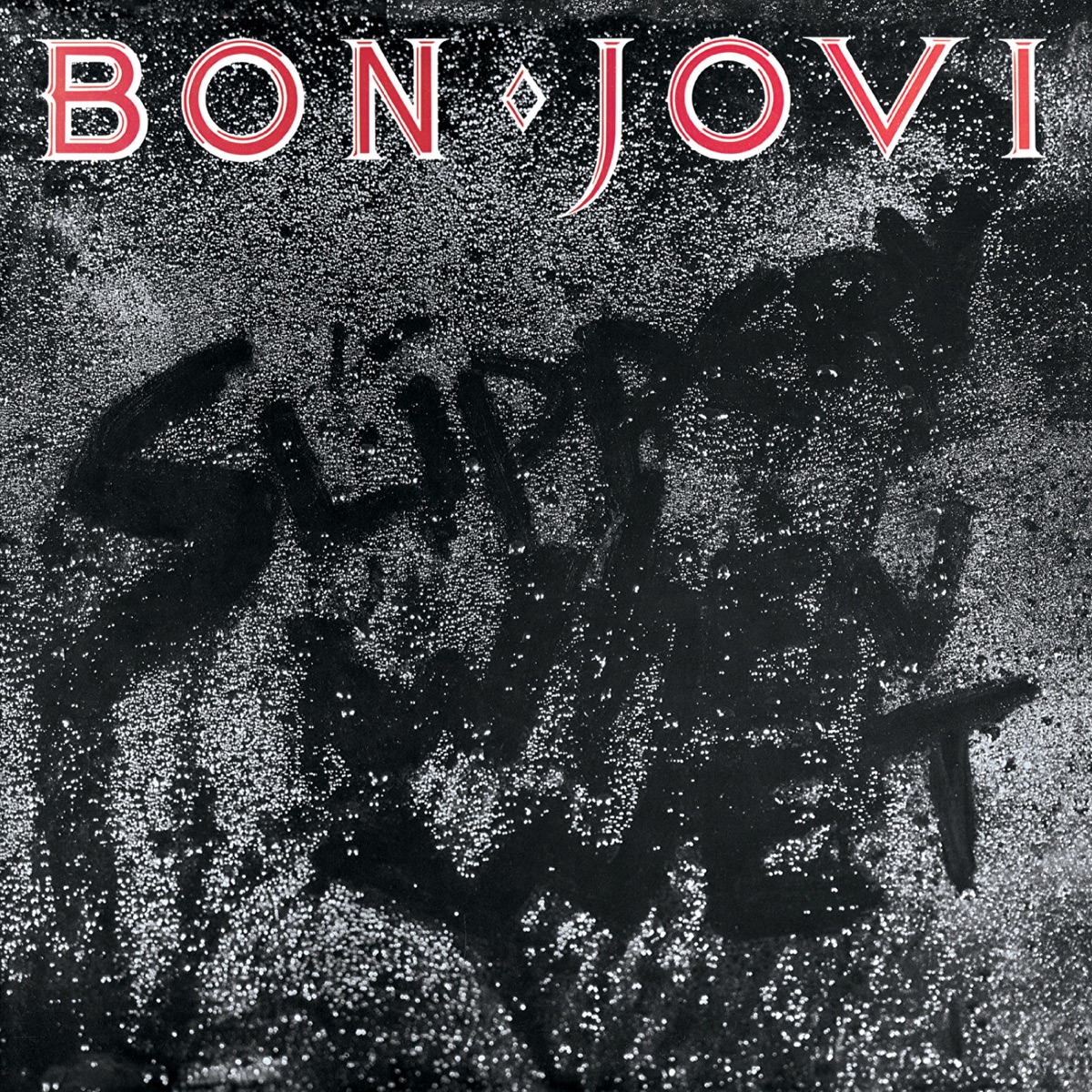
Crafted during the sessions for the Slippery When Wet album at Little Mountain Sound Studios in 1986, Livin' On A Prayer was initially met with skepticism by the band until producer Bruce Fairbairn and the band's collaboration refined the arrangement. A pivotal moment involved the addition of a talk box effect, which Richie Sambora, inspired by Peter Frampton, introduced to the track despite initial resistance from his bandmates. This signature element, along with the decision to modulate the key for the final chorus, transformed the song into a dynamic anthem. The guitar parts, characterized by the talk box's vocal-like quality, serve as a defining hook that drives the recording's recognizable cinematic energy.
Tuning Standard
Signal chain · Riff
Original gear

Alternatives
Practical playing approach
Recreation guidance, not a claim about undocumented studio control positions.
- 1.Route your guitar signal through the amplifier into the talk box unit with a plastic tube running to the side of your mouth.
- 2.Form vowel shapes with your mouth to articulate the notes played on the guitar fretboard.
- 3.Keep your picking precise and steady to ensure the vocal filter translates clearly.
Frequently asked questions
What gear was used for the Livin' on a Prayer guitar tone?
The available recording research, reported gear and evidence links are listed in the signal chain on this page.
Are the original Livin' on a Prayer amp settings documented?
Exact historical knob positions are not reliably documented for most recordings. ToneTwin does not publish generated values as studio fact; it creates playable settings only for the amp and pedals a player selects.
What tuning is Livin' on a Prayer in?
The current research record lists Standard. ToneTwin keeps corrections open when reliable accounts disagree.
How do I recreate the Livin' on a Prayer tone on my own gear?
Use the reported pickup, gain character, effects and signal-chain order as the target, then translate that target to your equipment. The matcher models controls for your selected rig rather than copying undocumented studio numbers.
Researched and reviewed by the ToneTwin Research Team.
Sources