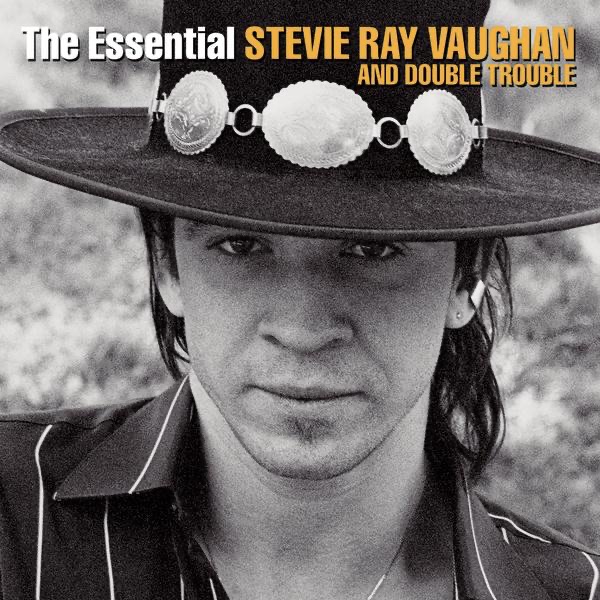

Get this tone on your gear
Keep this song selected. Choose your guitar and amp for playable settings. Subscription required.
The recording
Recorded at Capitol Studios in Los Angeles on March 2 1954 (released 1955), B.B. King performed the lead on his iconic Gibson ES‑355 “Lucille”, using the neck pickup. The signal ran through a Gibson Lab Series 2×12 solid‑state combo, whose clean headroom and subtle breakup give the track its smooth, singing blues tone. King's subtle vibrato and controlled bends are captured with a tight mic placement on his guitar.
Signal chain · Solo
Original gear

1959 Gibson ES-355TD-SV
Guitar
B.B. King's signature Gibson ES‑355 semi‑hollow “Lucille”, a 1959 ES‑355TD‑SV, provides the warm, resonant tone heard on the track; King used the neck pickup to achieve his vocal‑like sustain.

Gibson Lab Series 2×12 Combo (1980s)
Amp
The tone is attributed to a Gibson Lab Series 2×12 solid‑state combo, which King employed in later studio sessions for its clean headroom and subtle breakup, shaping the smooth blues sound on the recording.
Alternatives
Practical playing approach
Recreation guidance, not a claim about undocumented studio control positions.
- 1.Select the neck pickup for warm, vocal‑like tone.
- 2.Play with a light touch and let each note ring fully.
- 3.Apply subtle string bends and vibrato to emulate King’s phrasing.
- 4.Keep the amp clean with just enough gain for natural breakup.
Frequently asked questions
What gear was used for the Everyday I Have the Blues guitar tone?
The available research points to 1959 Gibson ES-355TD-SV into Gibson Lab Series 2×12 Combo (1980s). The full reported signal chain and evidence links are listed on this page.
Are the original Everyday I Have the Blues amp settings documented?
Exact historical knob positions are not reliably documented for most recordings. ToneTwin does not publish generated values as studio fact; it creates playable settings only for the amp and pedals a player selects.
How do I recreate the Everyday I Have the Blues tone on my own gear?
Use the reported pickup, gain character, effects and signal-chain order as the target, then translate that target to your equipment. The matcher models controls for your selected rig rather than copying undocumented studio numbers.
Researched and reviewed by the ToneTwin Research Team.
Sources