Get this tone on your gear
Keep this song selected. Choose your guitar and amp for playable settings. Subscription required.
The recording
Ray Toro tracks lead lines with a Gibson Les Paul Standard using the bridge pickup, routed through a Marshall JCM800 into a 4x12 cabinet, delivering a thick, saturated tone that sits front‑and‑center in the mix. Frank Iero records rhythm chords on a Squier Baritone tuned half‑step down, also through a Marshall JCM800, giving the song a solid low‑mid foundation. Both guitars were close‑mic'd on the cabinet with dynamic mics and blended with reverb and delay in the mix to add depth.
Tuning Half-step down (E♭) standard
Signal chain · Riff
Original gear

Gibson Les Paul Standard
Guitar
Ray Toro recorded his lead parts on a Gibson Les Paul Standard equipped with a Seymour Duncan JB SH‑4 in the bridge and a Phat Cat P‑90 in the neck, providing a thick, sustaining tone for the song's soaring leads.

Boss DS-1 Distortion
Distortion Pedal
Toro added a Boss DS‑1 to push the Les Paul into a tighter, mid‑focused distortion for the rhythm sections of the track (attributed to his rig for this song).

Marshall JCM800 100W Head
Amplifier
The Les Paul's signal was run through a Marshall JCM800 100‑watt head, delivering classic British crunch and a tight low‑end that defines the song's guitar tone.

Marshall 4x12 Cabinet (1960 series) with Celestion G12M
Cabinet
The head was paired with a Marshall 4×12 cabinet loaded with Celestion G12M speakers, giving the tone its aggressive mids and defined low‑end.
Squier Baritone
Guitar
Frank Iero recorded the rhythm guitars on a Squier Baritone tuned half‑step down, providing a thicker low‑mid texture that complements Toro’s lead tone.
Alternatives
Practical playing approach
Recreation guidance, not a claim about undocumented studio control positions.
- 1.Select the bridge pickup on a Les Paul for maximum sustain and bite.
- 2.Set the amp gain to a crunchy overdrive and pull back the volume for tighter rhythm tones.
- 3.Add a subtle chorus or short delay to thicken lead lines without losing definition.
- 4.Attack the strings firmly to keep the half‑step‑down tuning's low‑end tight and articulate.
Frequently asked questions
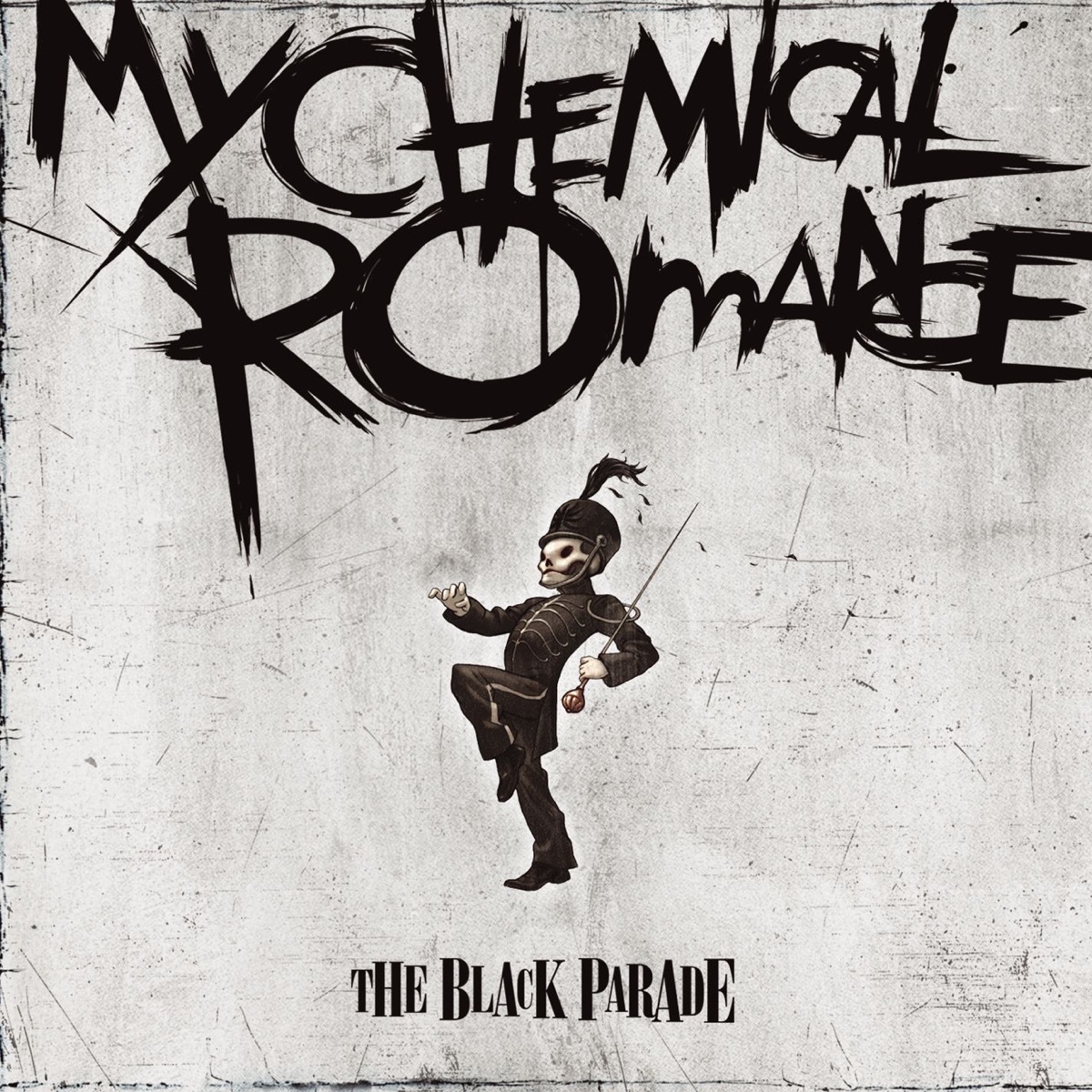
What gear was used for the Welcome to the Black Parade guitar tone?
The available research points to Gibson Les Paul Standard into Marshall JCM800 100W Head. The full reported signal chain and evidence links are listed on this page.
Are the original Welcome to the Black Parade amp settings documented?
Exact historical knob positions are not reliably documented for most recordings. ToneTwin does not publish generated values as studio fact; it creates playable settings only for the amp and pedals a player selects.
What tuning is Welcome to the Black Parade in?
The current research record lists Half-step down (E♭) standard. ToneTwin keeps corrections open when reliable accounts disagree.
How do I recreate the Welcome to the Black Parade tone on my own gear?
Use the reported pickup, gain character, effects and signal-chain order as the target, then translate that target to your equipment. The matcher models controls for your selected rig rather than copying undocumented studio numbers.
Researched and reviewed by the ToneTwin Research Team.
Sources