
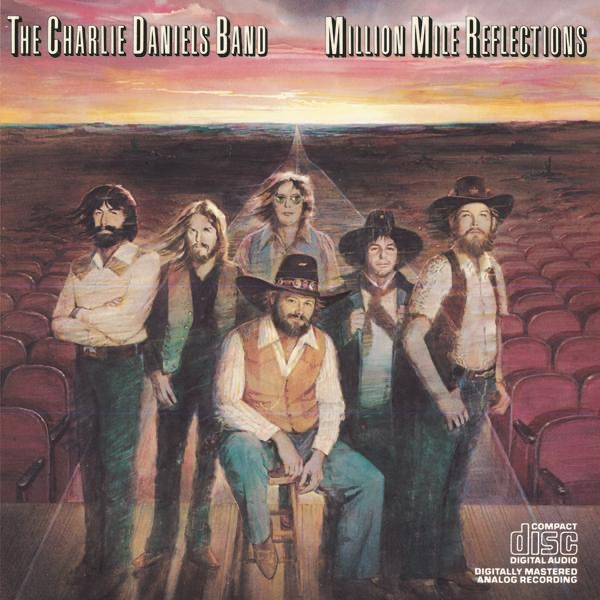
Get this tone on your gear
Keep this song selected. Choose your guitar and amp for playable settings. Subscription required.
The recording
The track centers on a fiddle duel, but Charlie Daniels and Tom Crain provide a steady country‑rock rhythm on electric guitar. Daniels used a Telecaster set to the bridge pickup and played close to the bridge, feeding a clean Fender Twin Reverb that was run hot enough to add subtle tube grit. The guitar sits just behind the fiddle in the mix, adding punch without overpowering the lead instrument.
Tuning Standard (E A D G B E)
Signal chain · Riff
Original gear

1965 Fender Telecaster
Guitar
Charlie Daniels recorded his rhythm and lead parts on a 1965 Fender Telecaster, delivering a bright, twangy tone that cuts through the mix behind the fiddle.

1968 Fender Twin Reverb
Amp
The Telecaster was run through a vintage Fender Twin Reverb, a high‑headroom tube amp that provides a clean foundation with a hint of natural breakup when pushed.
Alternatives
Practical playing approach
Recreation guidance, not a claim about undocumented studio control positions.
- 1.Select the bridge pickup and play close to the bridge for a bright, cutting tone.
- 2.Employ hybrid picking (pick plus fingers) to articulate fast country runs.
- 3.Set the amp clean and increase the volume to let the tube stage add mild breakup.
- 4.Use moderate gain and keep the tone knob slightly rolled off to retain clarity.
Frequently asked questions
What gear was used for the The Devil Went Down to Georgia guitar tone?
The available research points to 1965 Fender Telecaster into 1968 Fender Twin Reverb. The full reported signal chain and evidence links are listed on this page.
Are the original The Devil Went Down to Georgia amp settings documented?
Exact historical knob positions are not reliably documented for most recordings. ToneTwin does not publish generated values as studio fact; it creates playable settings only for the amp and pedals a player selects.
What tuning is The Devil Went Down to Georgia in?
The current research record lists Standard (E A D G B E). ToneTwin keeps corrections open when reliable accounts disagree.
How do I recreate the The Devil Went Down to Georgia tone on my own gear?
Use the reported pickup, gain character, effects and signal-chain order as the target, then translate that target to your equipment. The matcher models controls for your selected rig rather than copying undocumented studio numbers.
Researched and reviewed by the ToneTwin Research Team.
Sources