Get this tone on your gear
Keep this song selected. Choose your guitar and amp for playable settings. Subscription required.
The recording
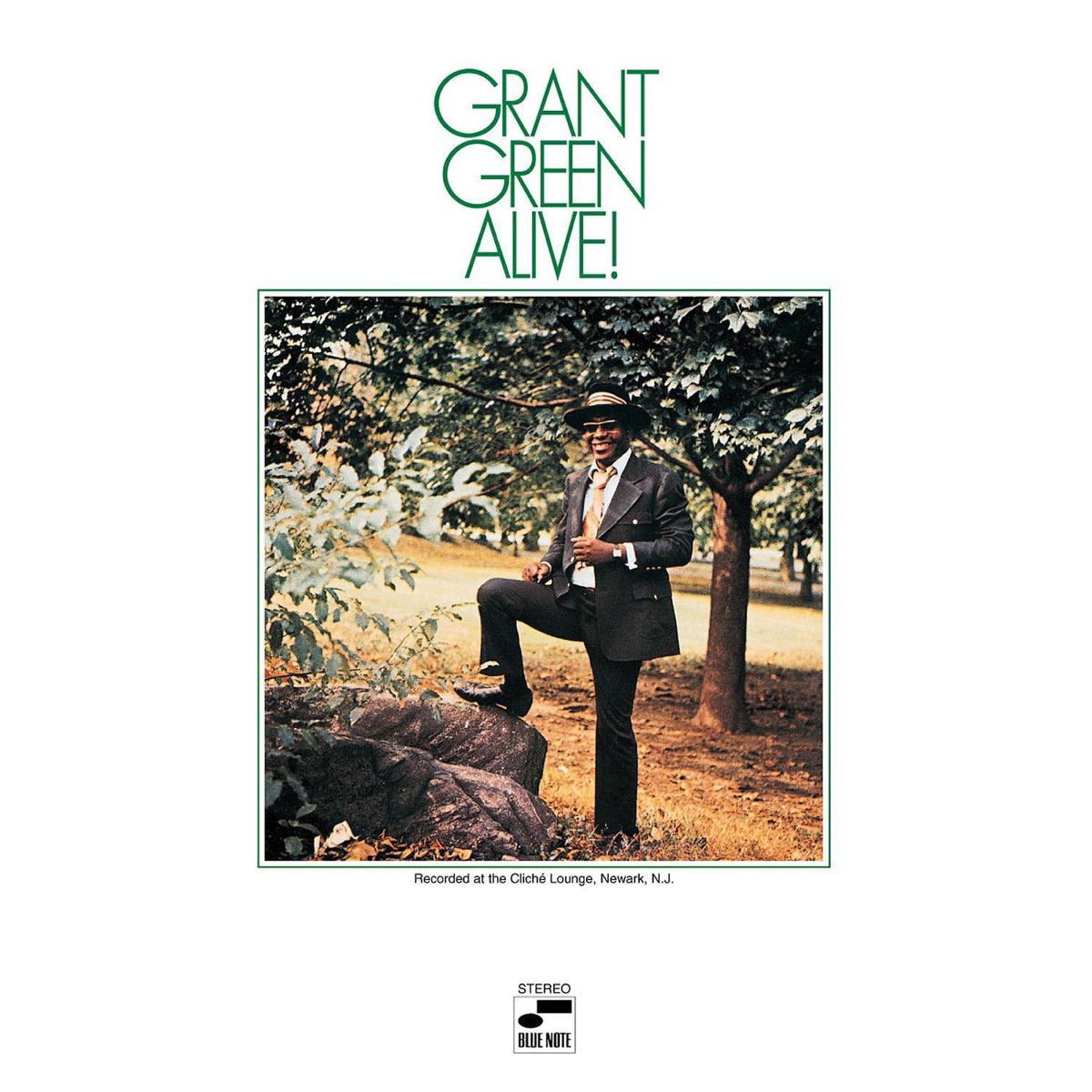
Energic funk rendition of Don Covay's 'Sookie, Sookie' captured live at the Cliché Lounge on August 15, 1970. Grant Green’s lead lines sit prominently over Ronnie Foster’s organ, with a warm, articulate tone that cuts through the mix. He plays a semi‑hollowbody Gibson ES‑330 through a clean Fender Twin Reverb, allowing the notes to ring with a slight natural breakup that complements the tight rhythm section. The guitar is mic’d close, preserving the instrument’s dynamics and the room ambience, resulting in a bright yet rounded sound that defines the track’s groove.
Tuning Standard E A D G B E
Signal chain · Riff
Original gear

1965 Gibson ES-330
Guitar
Green uses a 1965 Gibson ES-330 on 'Sookie, Sookie', delivering a warm semi‑hollowbody tone that cuts through the funk rhythm section.

1966 Fender Twin Reverb (combo)
Amp
The guitar runs through a 1966 Fender Twin Reverb, whose clean headroom and smooth breakup shape the bright, articulate tone heard on the track.
Alternatives
Practical playing approach
Recreation guidance, not a claim about undocumented studio control positions.
- 1.Play single‑note lines with your thumb over the top of the neck for a warm, rounded tone.
- 2.Focus on clean articulation; let each note ring before moving to the next.
- 3.Use the neck pickup for a fuller, jazz‑friendly sound, especially on chordal comping.
- 4.Maintain a relaxed right‑hand attack to preserve the clean dynamics of the Twin Reverb.
- 5.Add subtle vibrato at the end of phrases to increase expression without cluttering the funk groove.
Frequently asked questions
What gear was used for the Sookie, Sookie guitar tone?
The available research points to 1965 Gibson ES-330 into 1966 Fender Twin Reverb (combo). The full reported signal chain and evidence links are listed on this page.
Are the original Sookie, Sookie amp settings documented?
Exact historical knob positions are not reliably documented for most recordings. ToneTwin does not publish generated values as studio fact; it creates playable settings only for the amp and pedals a player selects.
What tuning is Sookie, Sookie in?
The current research record lists Standard E A D G B E. ToneTwin keeps corrections open when reliable accounts disagree.
How do I recreate the Sookie, Sookie tone on my own gear?
Use the reported pickup, gain character, effects and signal-chain order as the target, then translate that target to your equipment. The matcher models controls for your selected rig rather than copying undocumented studio numbers.
Researched and reviewed by the ToneTwin Research Team.
Sources