Get this tone on your gear
Keep this song selected. Choose your guitar and amp for playable settings. Subscription required.
The recording
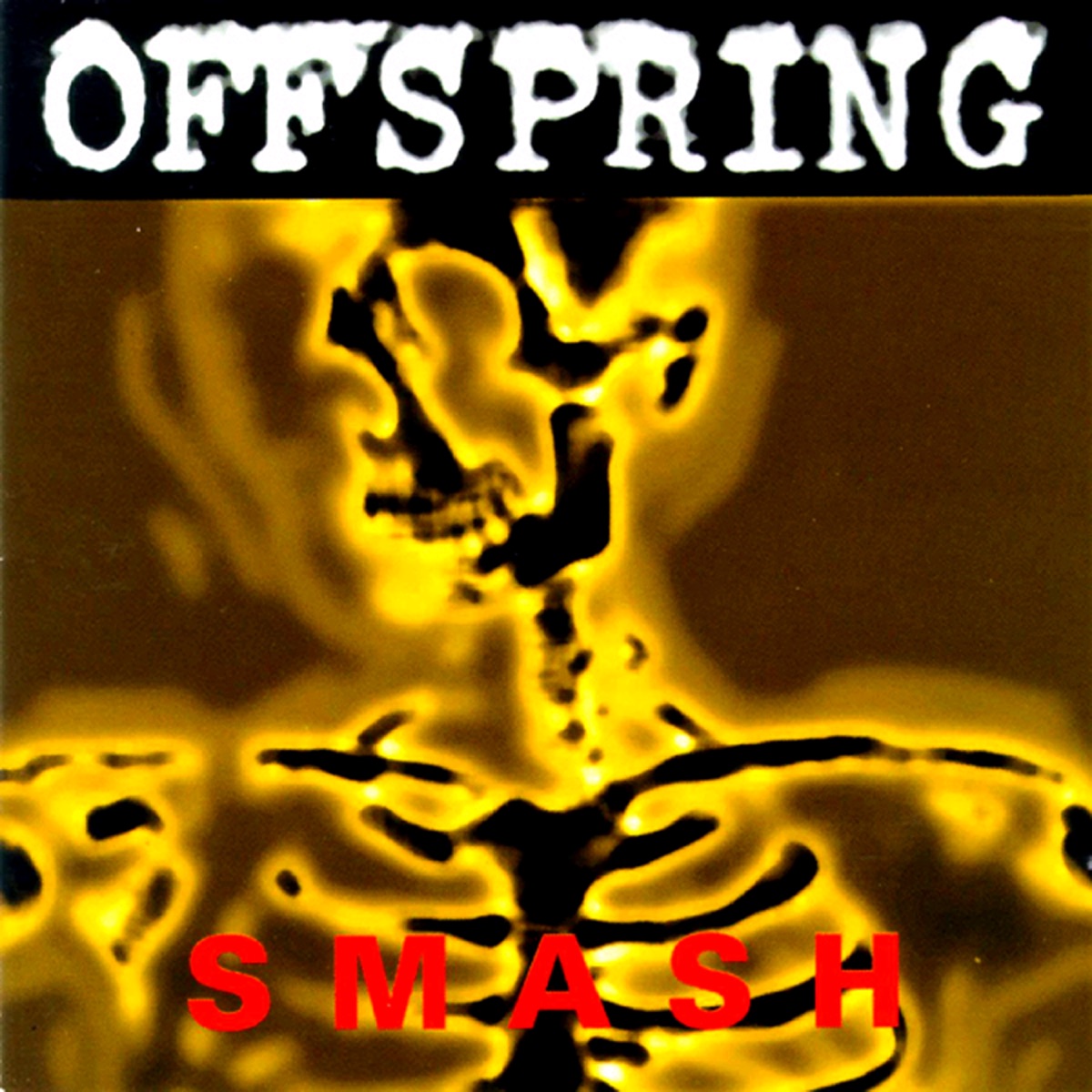
Recorded in 1994 at Track Record Studios in North Hollywood with producer Thom Wilson. Dexter Holland tracked the rhythm guitars on a 1965 Gibson SG using the bridge humbucker, while lead parts were recorded with an Ibanez Custom RG. The guitars were run through a Boss DS‑1 Distortion before hitting a Marshall JCM800 100 W head into a 4×12 Celestion G12‑65 cabinet, delivering the tight, mid‑range crunch heard throughout the song.
Signal chain · Riff
Original gear

Gibson 1965 SG
Guitar
Dexter Holland recorded the main rhythm guitars on his 1965 Gibson SG, using the bridge humbucker to get a thick mid‑range crunch that drives the verses of "Self Esteem".
Ibanez Custom RG Series
Guitar
Lead guitar parts were captured with Dexter Holland's Ibanez Custom RG, whose hot‑routed bridge pickup adds a sharper edge to the solo sections.

Boss DS-1 Distortion
Distortion
A Boss DS‑1 provides the gritty overdrive that shapes the aggressive edge of the verse riff, preserving clarity while adding bite.

Marshall JCM800 100W Head
Amplifier
The signal is driven into a Marshall JCM800 100 W head, delivering the tight, mid‑focused crunch that defines the song’s core tone.

Marshall 4x12 Celestion G12-65 Cabinet
Cabinet
A 4×12 cabinet loaded with Celestion G12‑65 speakers projects the distorted tone with a punchy low‑mid response.
Alternatives
Practical playing approach
Recreation guidance, not a claim about undocumented studio control positions.
- 1.Lock in tight palm‑muted downstrokes for the verse power‑chord rhythm.
- 2.Use alternate picking on the opening arpeggios, letting the notes ring cleanly before distortion kicks in.
- 3.Select the bridge humbucker for maximum bite on the rhythm parts.
- 4.Keep the distortion moderate – just enough grit to cut through without losing note definition.
- 5.During the solo, pull back the tone knob slightly for a smoother, singing lead tone.
Frequently asked questions
What gear was used for the Self Esteem guitar tone?
The available research points to Gibson 1965 SG into Marshall JCM800 100W Head. The full reported signal chain and evidence links are listed on this page.
Are the original Self Esteem amp settings documented?
Exact historical knob positions are not reliably documented for most recordings. ToneTwin does not publish generated values as studio fact; it creates playable settings only for the amp and pedals a player selects.
How do I recreate the Self Esteem tone on my own gear?
Use the reported pickup, gain character, effects and signal-chain order as the target, then translate that target to your equipment. The matcher models controls for your selected rig rather than copying undocumented studio numbers.
Researched and reviewed by the ToneTwin Research Team.
Sources