Quick tone direction
Use a humbucker into mid-forward British crunch. Keep the bass controlled and the gain below modern high-gain levels; add only light echo to the lead part.
- Gain
- Open crunch with clear chord edges
- EQ
- Controlled bass, full mids and bright attack
- Pickup
- Humbucker; choose bridge for rhythm and warmer settings for lead
- Effects
- Dry rhythm with restrained echo for lead
- Tuning
- Standard E
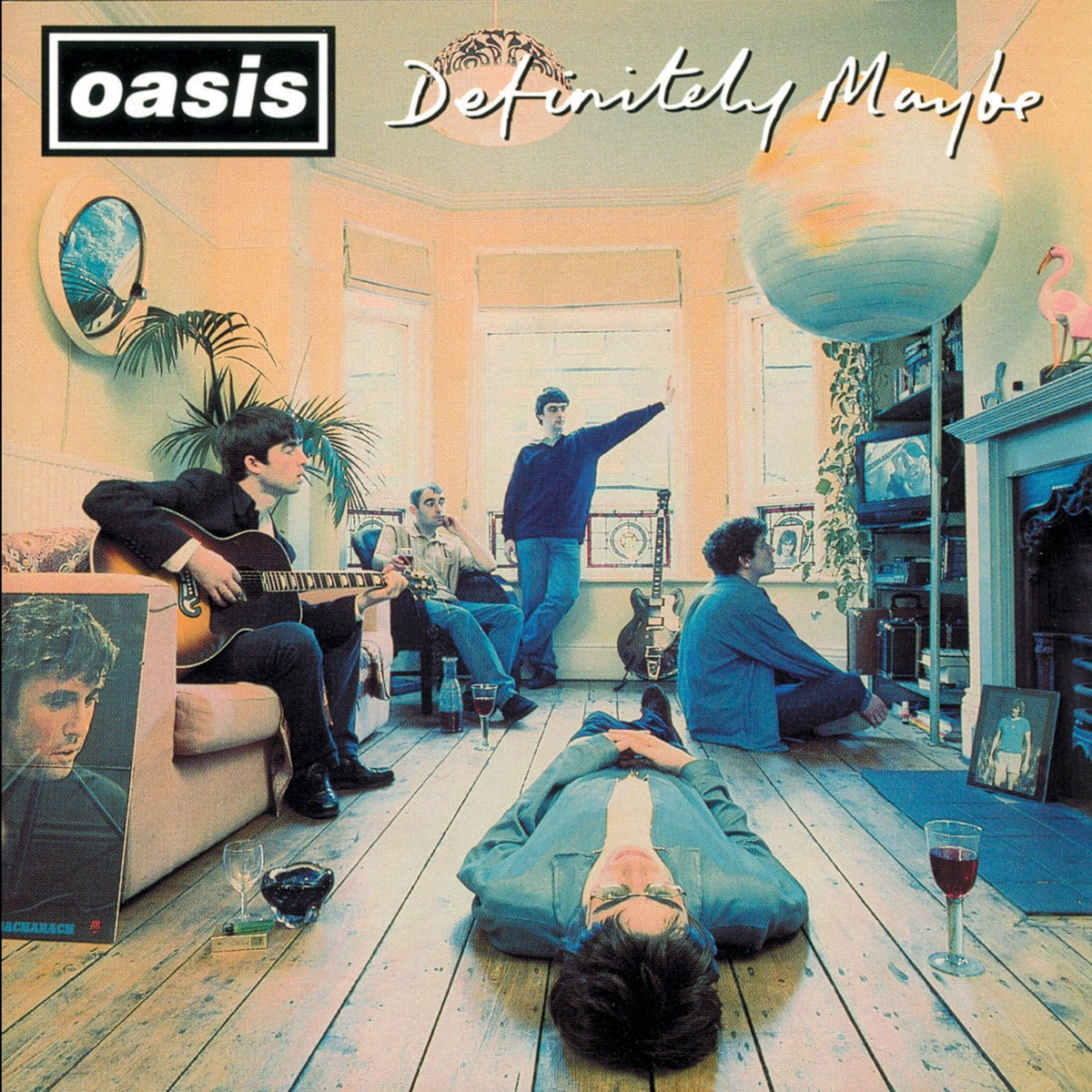
Early Oasis recordings used layered guitars and several available amplifiers. The exact per-track amp blend and pedal order are not fully documented.
Read the Oasis tone guideGet this tone on your gear
Keep this song selected. Choose your guitar and amp for playable settings. Subscription required.
The recording
On "Live Forever", Noel Gallagher’s lead and rhythm parts were captured using a 1953 Gibson Les Paul Goldtop – a gift from Johnny Marr – run through a hybrid amp setup that blended a Marshall Valvestate 80V solid‑state head with a cranked Marshall JCM800 half‑stack. The signal was shaped by a Tube Screamer‑style overdrive pedal before a Roland RE‑201 Space Echo added a subtle slap‑back delay to the leads. The amp’s controls were turned to their maximum settings, matching Gallagher’s habit of "turning everything up to 10". The guitars were recorded at Sound City Studios in Los Angeles, with both Noel and Paul "Bonehead" Arthurs contributing electric guitars, and the track was mixed by Owen Morris, preserving the raw, mid‑rich aggression characteristic of early Oasis.
Tuning Standard E (E A D G B E)
Signal chain · Riff
Original gear

1953 Gibson Les Paul Goldtop
Guitar
Noel Gallagher recorded his parts on a 1953 Gibson Les Paul Goldtop, a gift from Johnny Marr, delivering the thick, sustain‑rich tone that defines "Live Forever".

Ibanez TS9 Tube Screamer
Overdrive
A Tube Screamer‑style overdrive was placed before the amp, pushing the Marshall into a singing, mid‑focused crunch.
Roland RE-201 Space Echo
Delay
A Roland RE‑201 Space Echo provided the subtle slap‑back delay heard on the lead lines, adding depth without obscuring clarity.

Marshall Valvestate 80V (Model 8080)
Amplifier
The solid‑state Marshall Valvestate 80V was run alongside a tube JCM800, blending clean headroom with the amp’s characteristic bite.
Marshall JCM800 (half‑stack)
Amplifier
The cranked Marshall JCM800 half‑stack supplied the high‑gain backbone, turned up to max as Noel recalled turning everything to 10.
Alternatives
Practical playing approach
Recreation guidance, not a claim about undocumented studio control positions.
- 1.Select the bridge pickup on the Les Paul for a tight, punchy rhythm tone.
- 2.Engage the Tube Screamer‑style overdrive and set the drive high to push the amp into saturation.
- 3.Add a short slap‑back delay (around 350 ms) to thicken the lead lines.
- 4.Crank the Marshall amp’s gain and volume to max, as Noel famously turned everything to 10.
- 5.Use a firm pick attack and let the guitar’s natural sustain ring out for the soaring chords.
Frequently asked questions
What gear was used for the Live Forever guitar tone?
The available research points to 1953 Gibson Les Paul Goldtop into Marshall Valvestate 80V (Model 8080). The full reported signal chain and evidence links are listed on this page.
Are the original Live Forever amp settings documented?
Exact historical knob positions are not reliably documented for most recordings. ToneTwin does not publish generated values as studio fact; it creates playable settings only for the amp and pedals a player selects.
What tuning is Live Forever in?
The current research record lists Standard E (E A D G B E). ToneTwin keeps corrections open when reliable accounts disagree.
How do I recreate the Live Forever tone on my own gear?
Use the reported pickup, gain character, effects and signal-chain order as the target, then translate that target to your equipment. The matcher models controls for your selected rig rather than copying undocumented studio numbers.
Researched and reviewed by the ToneTwin Research Team.
Sources