Get this tone on your gear
Keep this song selected. Choose your guitar and amp for playable settings. Subscription required.
The recording
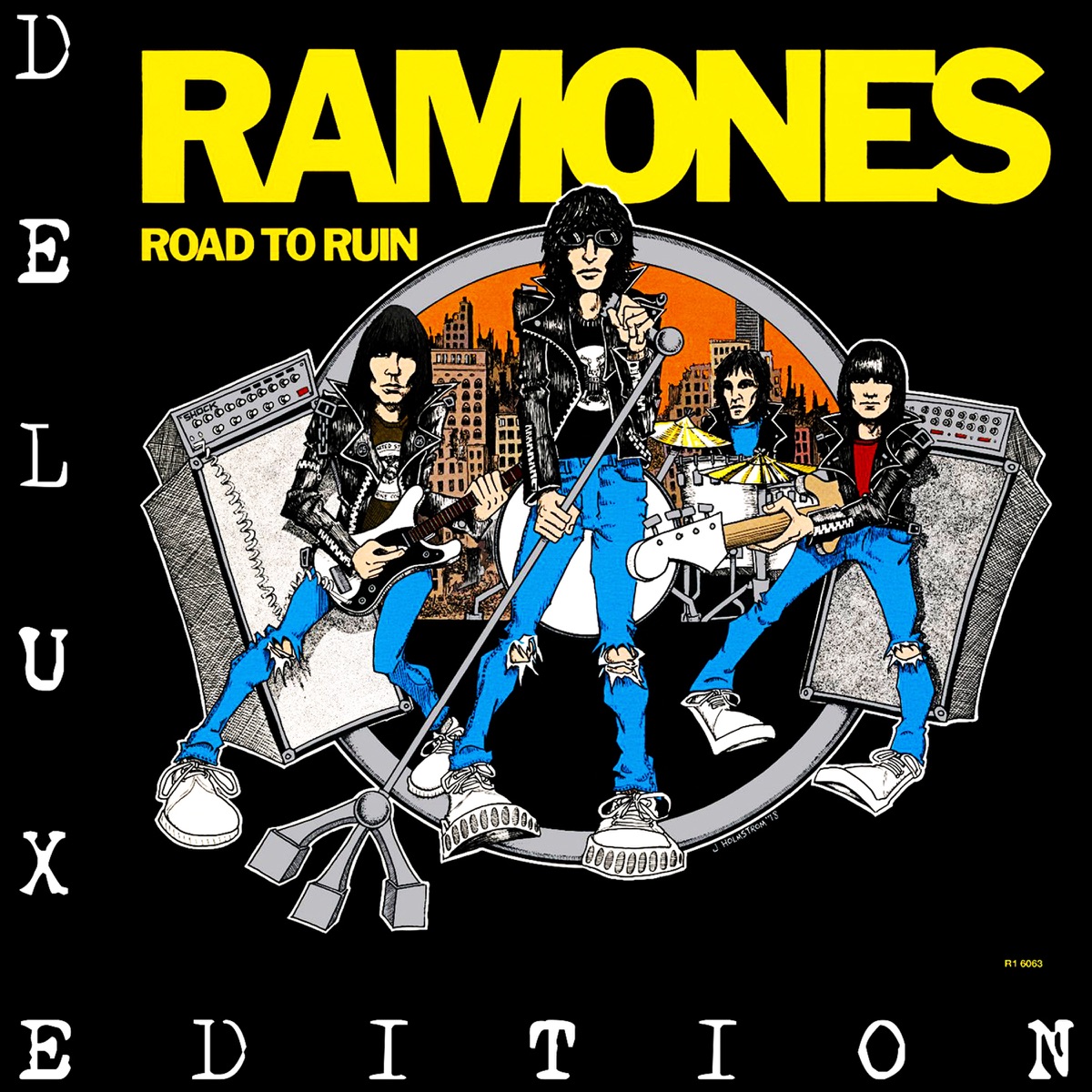
Johnny Ramone recorded the churning rhythm and the one‑note solo on “I Wanna Be Sedated” using his 1963 Fender Stratocaster, set to bridge pickup, in standard tuning. The signal was sent through a Marshall Model 1959 head into a 4×12 412 cabinet, producing the raw, aggressive buzzsaw tone that defines the track. Engineer Ed Stasium captured the performance with minimal processing, preserving the tight, percussive attack.
Tuning Standard (E A D G B E)
Signal chain · Riff
Original gear

1963 Fender Stratocaster
Guitar
Engineer Ed Stasium confirmed Johnny Ramone used his 1963 Fender Stratocaster on this track.

Marshall Model 1959
Amp
Line6 tone template lists a Marshall 1959 head and a 4×12 cabinet as the original chain, which aligns with Johnny Ramone’s typical Marshall rig.

Marshall 4x12 412 Cabinet
Cabinet
The Line6 template also cites a Marshall 412 4×12 cabinet as part of the original signal chain.
Alternatives
Practical playing approach
Recreation guidance, not a claim about undocumented studio control positions.
- 1.Use a low‑profile pick and strike every chord with a rapid downstroke for maximum aggression.
- 2.Select the bridge pickup and keep the tone knob rolled up to accentuate the bright, cutting bite.
- 3.Maintain a tight, even attack – let each downstroke ring just enough before the next chord.
- 4.Apply slight palm‑muting on the low E and A strings to tighten the rhythm chugs.
Frequently asked questions
What gear was used for the I Wanna Be Sedated guitar tone?
The available research points to 1963 Fender Stratocaster into Marshall Model 1959. The full reported signal chain and evidence links are listed on this page.
Are the original I Wanna Be Sedated amp settings documented?
Exact historical knob positions are not reliably documented for most recordings. ToneTwin does not publish generated values as studio fact; it creates playable settings only for the amp and pedals a player selects.
What tuning is I Wanna Be Sedated in?
The current research record lists Standard (E A D G B E). ToneTwin keeps corrections open when reliable accounts disagree.
How do I recreate the I Wanna Be Sedated tone on my own gear?
Use the reported pickup, gain character, effects and signal-chain order as the target, then translate that target to your equipment. The matcher models controls for your selected rig rather than copying undocumented studio numbers.
Researched and reviewed by the ToneTwin Research Team.
Sources