Get this tone on your gear
Keep this song selected. Choose your guitar and amp for playable settings. Subscription required.
The recording
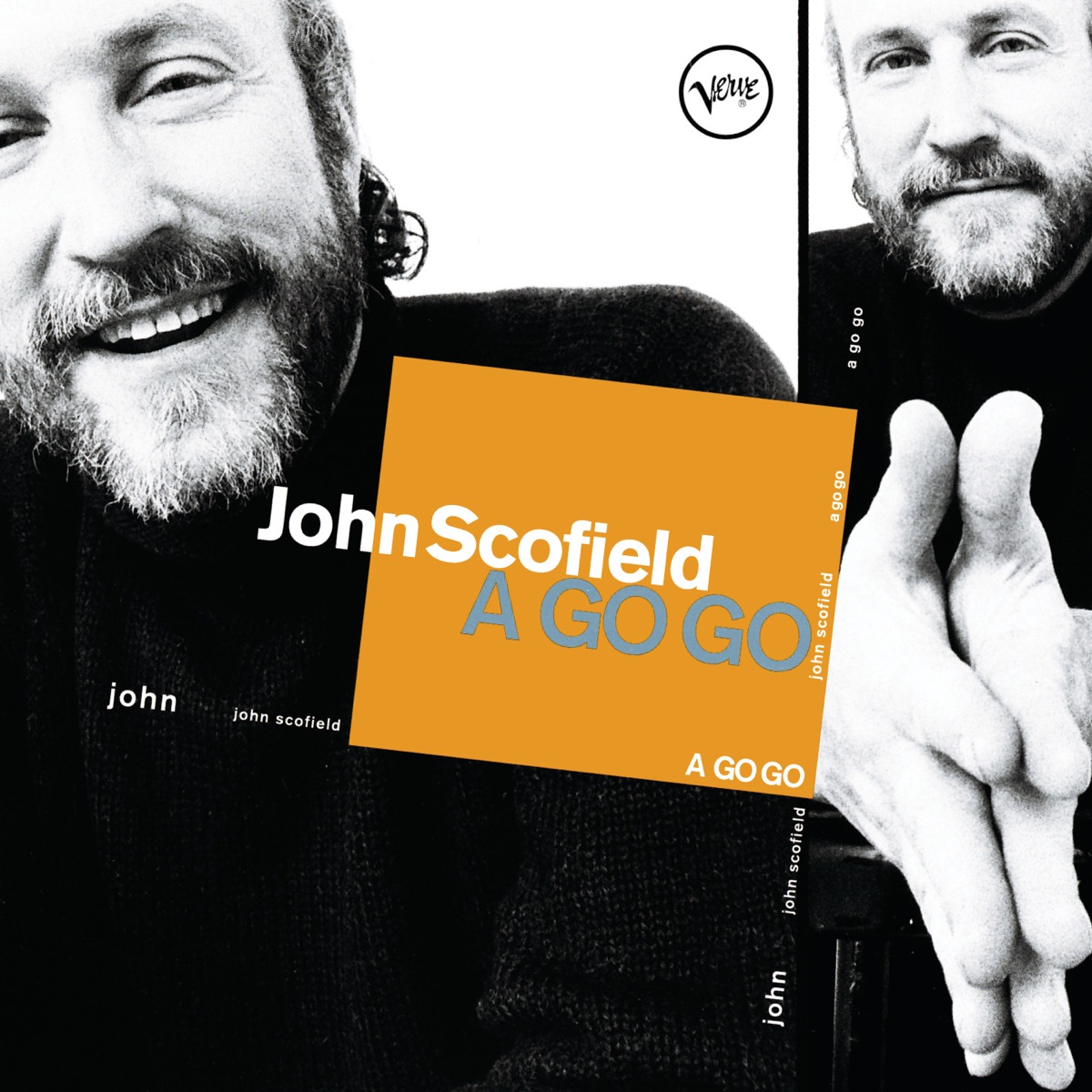
Scofield’s tone on “Chank” is bright and mid‑range, reflecting his use of a 1969 Fender Telecaster into a 1965 Fender Twin Reverb. The track was recorded at Avatar Recording Studios in New York with engineer Joe Ferla, and the guitar sits cleanly in the mix, relying on the amp’s natural compression and a touch of reverb. He employs tight right‑hand muting and a percussive strum to achieve the characteristic chank rhythm, while the bridge pickup delivers a crisp attack.
Tuning Standard (E A D G B E)
Signal chain · Riff
Original gear

1969 Fender Telecaster
Guitar
Scofield used his 1969 Fender Telecaster during the A Go Go sessions, providing the bright, articulate attack heard on "Chank".

1965 Fender Twin Reverb
Amp
He recorded the track through a vintage 1965 Fender Twin Reverb, whose clean headroom and built‑in reverb shape the spacious tone on "Chank".
Alternatives
Practical playing approach
Recreation guidance, not a claim about undocumented studio control positions.
- 1.Mute the strings with a light left‑hand palm mute to get the percussive chank rhythm.
- 2.Use the bridge pickup for a crisp, mid‑range attack.
- 3.Set the amp clean with a touch of reverb and let the natural compression of the Twin Reverb shape the tone.
- 4.Accent the off‑beats by slightly lifting the pick after each strum.
- 5.Keep the right‑hand attack relaxed to maintain the groove’s smooth feel.
Frequently asked questions
What gear was used for the Chank guitar tone?
The available research points to 1969 Fender Telecaster into 1965 Fender Twin Reverb. The full reported signal chain and evidence links are listed on this page.
Are the original Chank amp settings documented?
Exact historical knob positions are not reliably documented for most recordings. ToneTwin does not publish generated values as studio fact; it creates playable settings only for the amp and pedals a player selects.
What tuning is Chank in?
The current research record lists Standard (E A D G B E). ToneTwin keeps corrections open when reliable accounts disagree.
How do I recreate the Chank tone on my own gear?
Use the reported pickup, gain character, effects and signal-chain order as the target, then translate that target to your equipment. The matcher models controls for your selected rig rather than copying undocumented studio numbers.
Researched and reviewed by the ToneTwin Research Team.
Sources