Get this tone on your gear
Keep this song selected. Choose your guitar and amp for playable settings. Subscription required.
The recording
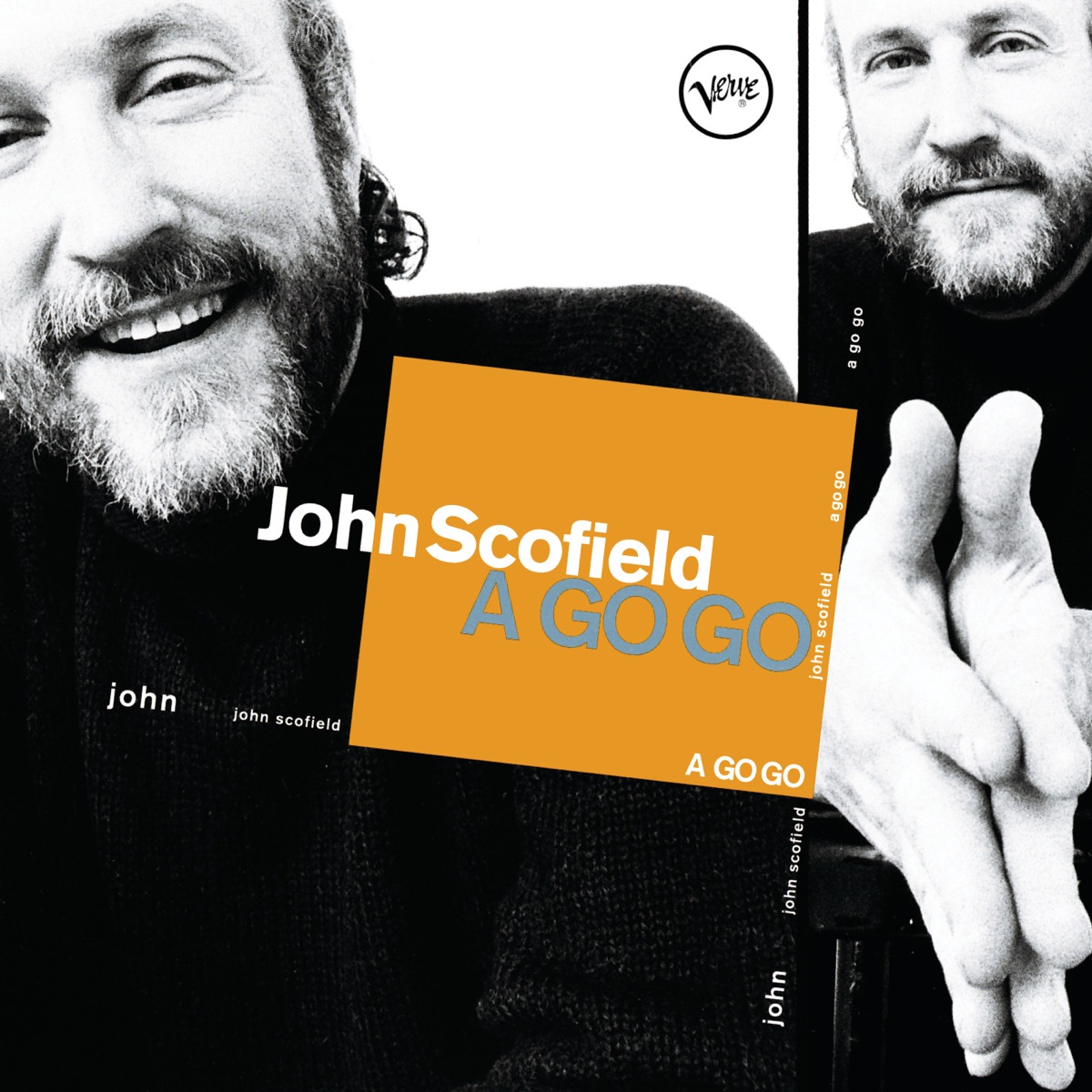
Recorded at Avatar Studios in New York, John Scofield performed both electric and acoustic guitars on 'A Go Go' (Songtone credits). Scofield used his signature Ibanez AS200 semi‑hollow guitar routed through a Fender Reverb amp, delivering the warm, slightly overdriven tone heard on the track (Stereophile interview). A modest pedalboard—including a Dunlop Cry Baby wah, Boss DS‑2 Turbo Distortion, Boss CE‑2 Chorus and an Electro‑Harmonix Memory Man delay—shaped the signal before the amp, as detailed in his 2013 Premier Guitar rig rundown. The acoustic parts were captured with a studio condenser microphone, but the make of the acoustic guitar is not documented.
Tuning Standard E (E-A-D-G-B-E)
Signal chain · Riff
Original gear

Ibanez AS200 (Signature)
Guitar
Scofield's signature Ibanez AS200, a semi‑hollow body modeled after a Gibson ES‑335, was his primary electric guitar on the A Go Go sessions, as he confirmed in a 2018 Stereophile interview.

Acoustic guitar (model unspecified)
Guitar
An acoustic guitar is audible on the track, but the specific make was not disclosed in the session credits.

Boss TU-3
Tuner
A Boss TU‑3 tuner sits at the start of Scofield’s pedalboard, ensuring precise intonation before any effects, as listed in his 2013 Premier Guitar rig rundown.

Dunlop Cry Baby Wah
Wah
Scofield uses a classic Dunlop Cry Baby wah to shape his tone, shown in the Premier Guitar rig rundown.

Boss DS-2 Turbo Distortion
Overdrive
The Boss DS‑2 Turbo Distortion provides the smooth overdriven edge heard on ‘A Go Go’, as part of Scofield’s pedalboard in the 2013 rig rundown.
Boss CE-2 Chorus
Chorus
A Boss CE‑2 analog chorus adds a subtle width to Scofield’s tone, documented in his Premier Guitar rig rundown.
Electro-Harmonix Memory Man
Delay
Scofield employs an Electro‑Harmonix Memory Man analog delay for the ambient repeats in the track, as listed in the 2013 rig rundown.

Fender Reverb (c. 1963)
Amp
Alternatives
Practical playing approach
Recreation guidance, not a claim about undocumented studio control positions.
- 1.Select the bridge pickup and roll the tone knob back for a brighter, cutting tone.
- 2.Engage the Cry Baby wah and sweep slowly to accentuate solos.
- 3.Set the Boss DS-2 drive to medium and the volume knob high to achieve the smooth overdrive heard on the track.
- 4.Add a subtle Chorus (Boss CE-2) and short delay (Memory Man) to thicken the sound without losing definition.
- 5.Use a light, alternating thumb‑finger picking technique to emulate Scofield’s hybrid picking style.
Frequently asked questions
What gear was used for the A Go Go guitar tone?
The available research points to Ibanez AS200 (Signature) into Fender Reverb (c. 1963). The full reported signal chain and evidence links are listed on this page.
Are the original A Go Go amp settings documented?
Exact historical knob positions are not reliably documented for most recordings. ToneTwin does not publish generated values as studio fact; it creates playable settings only for the amp and pedals a player selects.
What tuning is A Go Go in?
The current research record lists Standard E (E-A-D-G-B-E). ToneTwin keeps corrections open when reliable accounts disagree.
How do I recreate the A Go Go tone on my own gear?
Use the reported pickup, gain character, effects and signal-chain order as the target, then translate that target to your equipment. The matcher models controls for your selected rig rather than copying undocumented studio numbers.
Researched and reviewed by the ToneTwin Research Team.
Sources