
Avenged Sevenfold Amp Settings: Nightmare and Hail to the King
Avenged Sevenfold amp settings for tight rhythm and singing lead tones, with separate guidance for Nightmare, Hail to the King and the gear you own.
By the ToneTwin Research Team · Evidence and uncertainty reviewed
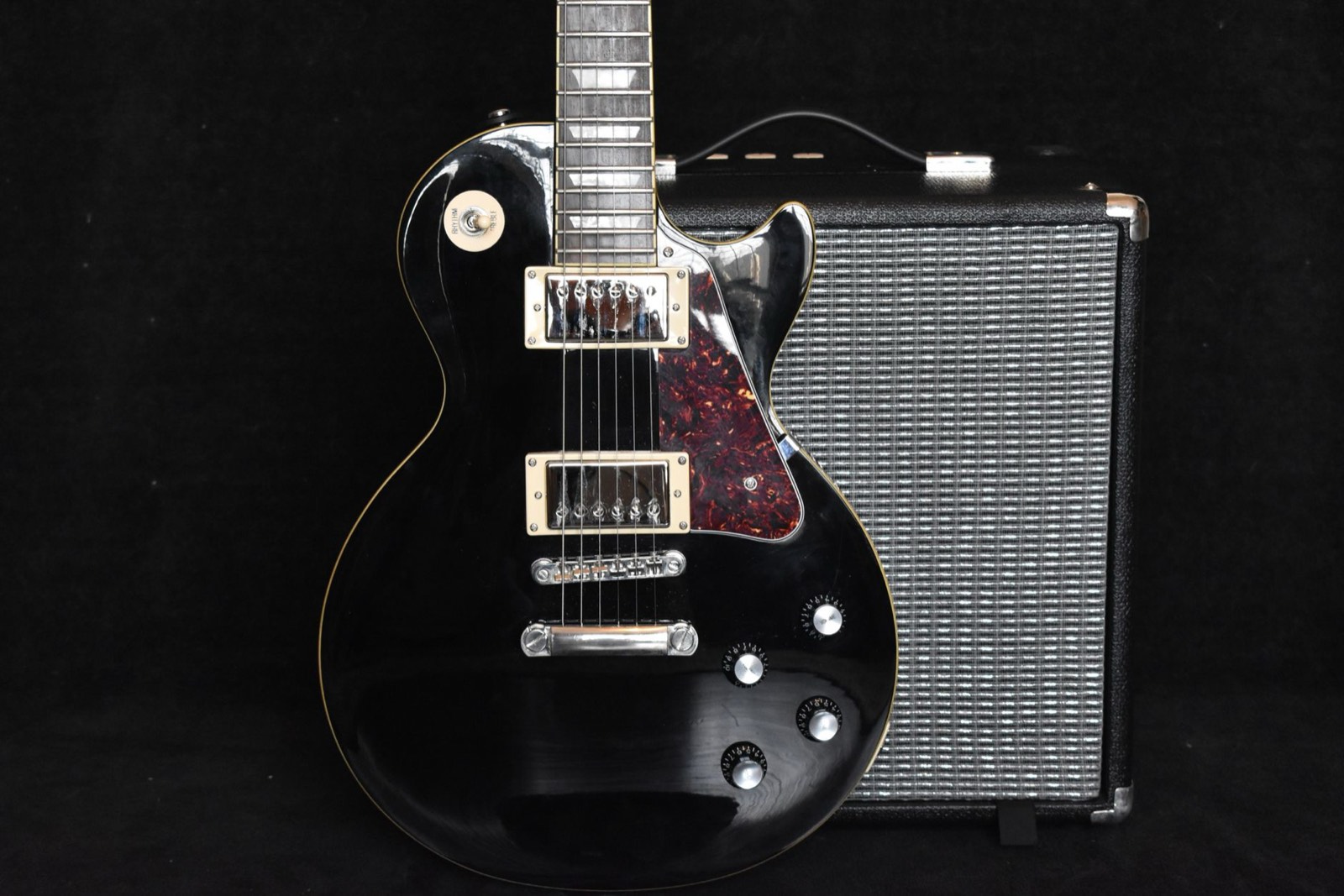
For an Avenged Sevenfold rhythm tone, use a high-output bridge humbucker into tight high gain, control the low bass, retain clear mids, smooth the treble and set a light gate from the riff stops. Keep rhythm effects dry. For leads, add focused mids, sustain and part-specific delay or wah. Nightmare and Hail to the King belong to different recording eras, so do not use the later Hellwin amplifier as evidence for the earlier album.
Quick Avenged Sevenfold amp direction
| Control | Rhythm direction | Lead direction |
|---|---|---|
| Gain | High, then lower until chords separate | More sustain, but keep the note start clear |
| Bass | Controlled before gain | Firm, with room for the bass guitar |
| Mids | Present and defined | More focused for melody and harmony |
| Treble and presence | Smooth attack without fizz | Clear articulation without a sharp edge |
| Gate | Light to moderate for stops | Lower threshold for bends and sustained notes |
| Effects | Dry or almost dry | Delay, wah or modulation only when the part calls for it |
Start with two different guitar sounds
Avenged Sevenfold arrangements often move between tightly controlled rhythm guitars and melodic lead or harmony parts. One preset forces a bad compromise. The rhythm sound needs fast stops, controlled bass and low ambience. The lead needs sustain, focused mids and a gate that stays open through bends.
- Select the high-output bridge humbucker and confirm the song's tuning.
- Set the rhythm sound with the real riff, not a slow open chord.
- Lower gain and bass until the stops are clean.
- Keep enough mids to hear chord extensions and harmony movement.
- Set a light gate only after the amplifier sound is clear.
- Copy the preset for lead, then add sustain, mids and only the required effects.
Hail to the King: space is part of the weight
For Hail to the King, the band deliberately reduced layers and focused on large grooves. In their studio interview, Synyster Gates and Zacky Vengeance describe simpler rhythms, more space and a blind test of 25 amp and cabinet combinations that selected the Hellwin. They also explain that turning the guitars down in the mix allowed the drums and bass to make the riffs feel larger.
The lesson for one guitar is simple: do not fill every gap with gain, bass or delay. Use Drop D, preserve the riff's stops and let the pulse create the weight. The Hellwin is supported evidence for this album, not a universal Avenged Sevenfold amplifier.
Nightmare belongs to the earlier rig era
Nightmare predates the Hellwin's recording debut. Use a tight modern high-gain family without assigning the later signature amplifier to the session. The title track combines a controlled rhythm sound with harmonized and lead work, so keep the rhythm dry and add delay only to the lead state.
The Nightmare-era interviews emphasize arrangement, harmonized leads and expressive solos. Use sufficient gain for sustain, but lower it until the riff and chord movement remain clear. If the rhythm becomes a smooth block of noise, gain and low bass are too high.
Why Hail to the King should sound more open
Gates's track-by-track account describes a groove-based, riff-oriented record influenced by classic hard rock and heavy metal. This differs from treating every Avenged Sevenfold song as dense modern metal. For Hail to the King, use a more open midrange, reduce compression and allow the drums to define the pulse. For faster earlier material, tighten the input and gate more carefully.
Translate the target to your own rig
| Your equipment | Starting method | Main risk |
|---|---|---|
| Modern high-gain tube amp | Use the tight channel with controlled bass and present mids | Too much gain and resonance |
| British-style amp | Add a low-drive boost for input control | Making the upper mids sharp |
| Modeler or plugin | Use a tight modern amp, matching cabinet and separate rhythm/lead scenes | Using one scene for every part |
| Small practice amp | Reduce bass, preserve mids and keep gain moderate | Trying to create album size with loose low end |
| Passive humbucker | Use a low-drive boost or input EQ only if needed | Compensating with excessive amplifier gain |
If the sound is still wrong
- Chords blur: lower gain and bass; retain mids.
- Stops are noisy: correct the amplifier first, then raise the gate slightly.
- Lead feels small: add focused mids and level before adding more gain.
- Lead notes die: lower the gate threshold and use less aggressive release behavior.
- Hail sounds too modern: reduce compression and leave more space around the riff.